A whole-home surge protector installed at your main electrical panel is designed to catch a power spike before it reaches the rest of your house. For El Dorado County homeowners, whole home surge protection matters most right after a PG&E wildfire season power shutoff, when the surge that comes with restored power can damage HVAC systems, appliances, and electronics in seconds. Jonas Energy Solutions offers whole-home surge protection as part of its expanding electrical services in Placerville and El Dorado County.
Why Wildfire Season Power Shutoffs Put Placerville Homes at Risk
Placerville and the surrounding El Dorado County foothills sit within PG&E’s high fire threat zones, which means Public Safety Power Shutoffs (PSPS) are a regular part of late summer and fall. Each shutoff, and the restoration that follows, creates conditions that can stress a home’s electrical system in ways many homeowners never think about until something stops working.

What Triggers a PG&E Public Safety Power Shutoff
PG&E calls a PSPS event when dry vegetation, high winds, and low humidity combine to raise the risk that live power lines could spark a fire. Details on how these decisions are made, along with current outage maps, are available on PG&E’s Public Safety Power Shutoff program page. For homeowners, the practical result is the same regardless of the cause: the power goes out with little notice and can stay out for a day or longer.
How Power Surges Happen When the Grid Comes Back On
The moment power is restored after an outage, voltage does not always return smoothly. Utility crews re-energizing lines, neighborhood transformers cycling back on, and multiple homes drawing power at once can all create brief spikes well above normal household voltage. Those spikes travel through the same wiring that feeds your HVAC system, refrigerator, water heater, and every outlet in the house. For example, a home with a smart thermostat and a networked security system could see both devices reset or fail during the same restoration surge, since they share the same electrical panel.
Why Older El Dorado County Homes Are Especially Vulnerable
Many homes in the Placerville area were built before whole-home surge protection was common, or before local electrical panels were upgraded to handle today’s mix of smart thermostats, home office equipment, and connected appliances. Without protection at the panel, a single bad surge can damage several devices at once instead of just one.
What a Whole-Home Surge Protector Actually Does
A whole-home surge protector installs directly at or near your electrical panel and monitors every circuit that feeds your home, rather than just the outlets plugged into a single strip.
Point-of-Entry Protection vs Plug-In Surge Strips
Plug-in surge strips only protect what is plugged into them, and they typically absorb far less energy than a device rated for whole-home use. A panel-level surge protector is built to intercept a spike before it spreads to your HVAC equipment, water heater, garage door opener, and every other hardwired system in the house.
What a Surge Protector Can and Cannot Prevent
A whole-home surge protector is designed to reduce the risk of damage from utility-side voltage spikes, not to eliminate every possible cause of electrical damage. It will not stop a direct lightning strike from causing damage on its own, and it does not replace the need for proper grounding (a safe path for excess electricity to travel into the earth) or regular panel maintenance. What it does is give your home’s wiring and appliances a meaningful buffer during the kind of surge that commonly follows a PSPS restoration.
How Installation Fits Into an Existing Electrical Panel
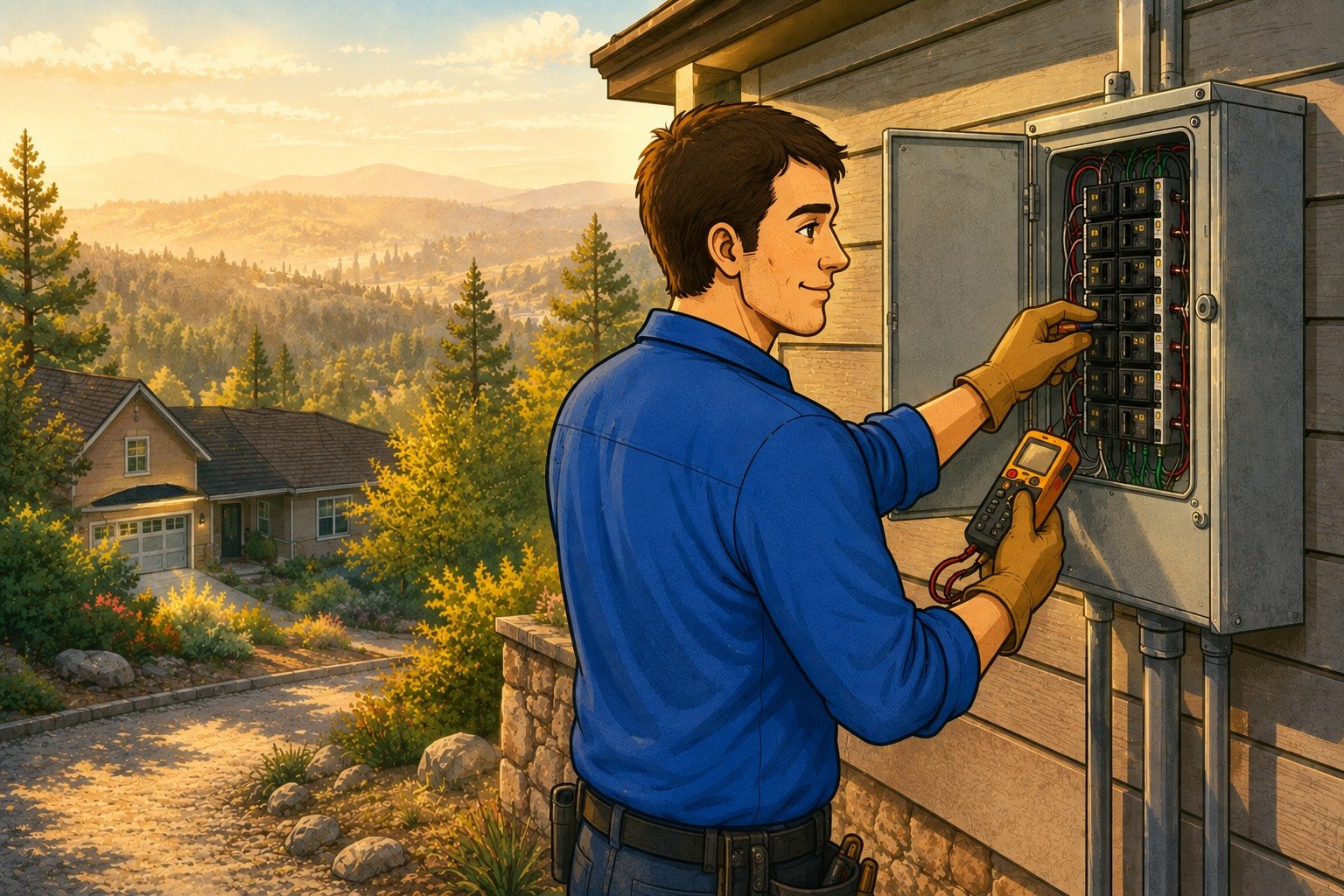
In most cases, surge protector installation does not require rewiring your home. A technician evaluates your existing panel, confirms it can support the device, and connects the surge protector directly to the panel so it can monitor incoming power continuously.
Signs Your El Dorado County Home Needs Surge Protection
Before scheduling an evaluation, it helps to know what to look for. Common signs include:
- Lights that flicker or dim briefly after power is restored following an outage
- A home that has not had an electrical panel inspection in several years
- A growing number of smart home devices, home office equipment, or entertainment systems
- No surge protection currently installed at the main panel
- Plans to add a generator, home battery, or solar system in the near future
Frequent Outages or Flickering Lights
If your home experiences PSPS events more than once or twice a season, repeated exposure to restoration surges adds up over time, even if no single event causes obvious damage.
Sensitive Electronics, Smart Home Devices, and HVAC Equipment
Modern HVAC systems rely on circuit boards and electronic controls that are more sensitive to voltage spikes than older mechanical thermostats. The same is true for smart thermostats, security systems, and networked appliances.
Homes Without Recent Electrical Upgrades
If your panel has not been reviewed recently, a surge protection evaluation is a practical opportunity to confirm it can safely support your current electrical load, not just add a new device.
Surge Protection and Backup Power Go Hand in Hand
For many El Dorado County homeowners, surge protection is part of a broader conversation about staying comfortable and safe when PG&E shuts the power off.
Protecting a Generator or Battery Investment
If you are also considering a generator or home battery storage system to keep essentials running during an outage, surge protection helps guard that investment too. Backup power systems still connect to your home’s electrical panel, so the same restoration surges that threaten your HVAC system can affect backup equipment as well.
What to Ask Before Adding Backup Power
Before adding a generator or battery system, ask whether your current panel has the capacity to support it, whether surge protection is already in place, and how the new equipment will be integrated with your existing wiring.
Building a Layered Approach to Outage Season
Surge protection, backup power, and simple preparedness habits work best together. None of them fully replaces the others, but combined they give your household more options when a shutoff happens.
What to Expect When You Schedule a Surge Protection Evaluation
A straightforward evaluation is the best way to find out what your home actually needs before wildfire season peaks.
The In-Home Assessment Process
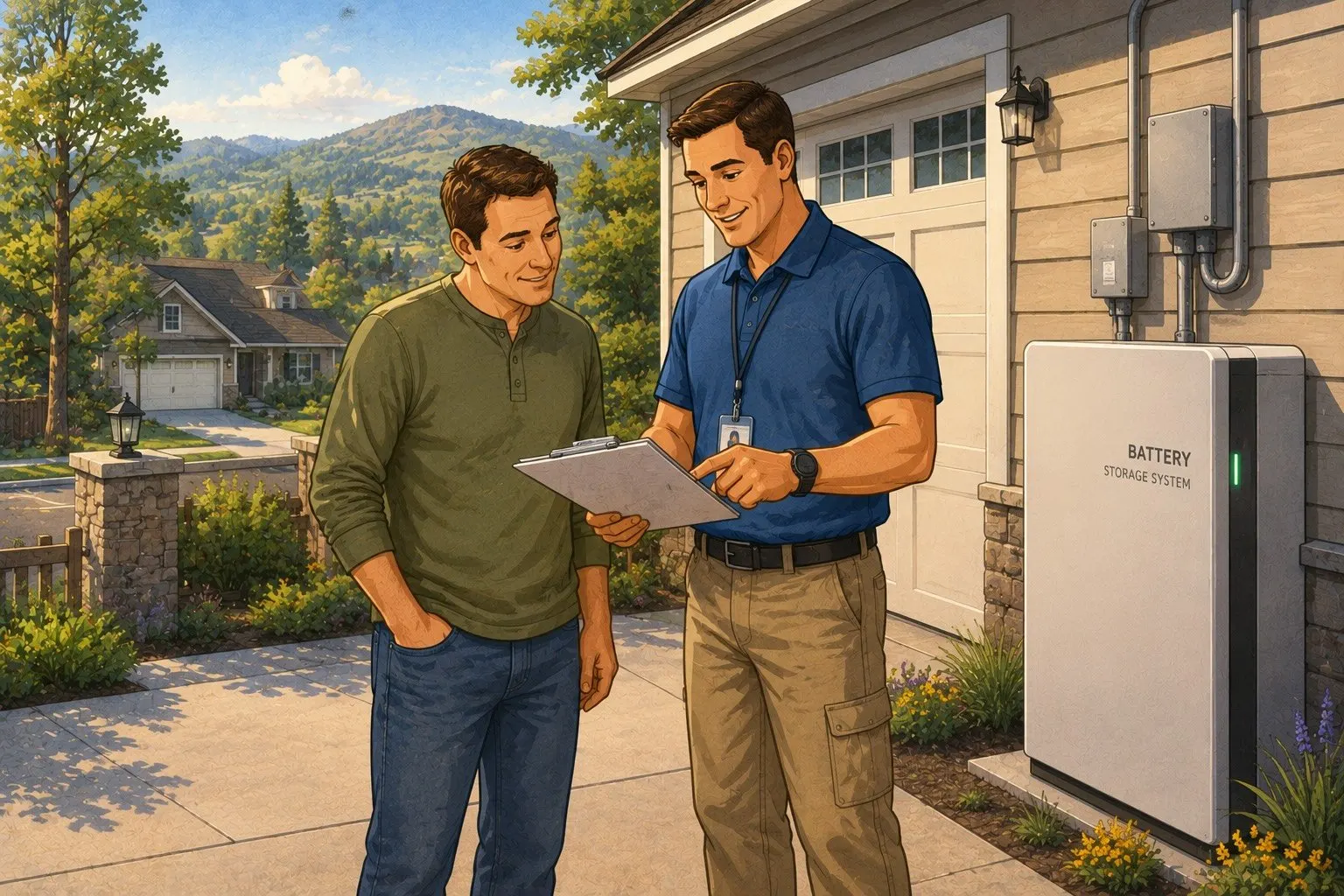
A technician reviews your electrical panel, discusses recent outage history at your address, and identifies whether a whole-home surge protector can be added without additional panel work.
Installation Timeline and What Changes at Your Panel
In many cases, installation can be completed in a single appointment. Afterward, your panel continues to work exactly as it did before, with the added protection running quietly in the background.
Financing Options for Electrical Upgrades
If budget is a concern, ask about financing options for electrical upgrades so cost isn’t a barrier to protecting your home.
Preparing Your Placerville Home Before the Next PSPS Event
Surge protection works best as part of a broader wildfire season plan.
Building a Wildfire Season Checklist
A simple checklist can help you stay ahead of the next shutoff:
- Sign up for PG&E outage and PSPS alerts for your specific address
- Test backup lighting, phone chargers, and any medical equipment before fire season begins
- Confirm whether your electrical panel already has surge protection installed
- Schedule an evaluation before red flag warning conditions become more frequent
- Keep records of major appliances and electronics in case you ever need to document surge related damage
Staying Informed on PG&E Shutoff Alerts
Because PSPS decisions can change quickly based on weather, keeping your contact information current with PG&E is one of the simplest ways to get advance notice before a shutoff affects your home.
Partnering With a Local Team as Jonas Energy Expands to El Dorado County
As Jonas Energy Solutions grows its presence in Placerville and El Dorado County, the goal is the same one that has guided the company in Lake County: helping homeowners understand their options and make decisions with confidence, rather than pushing a one-size-fits-all fix. If you want to know whether your home is a good candidate for whole-home surge protection, schedule an appointment or request an estimate to start with a straightforward evaluation, or call (707) 994-5911 to speak with the team directly.