For Lake County and El Dorado County homeowners staring down an aging water heater, the tank-vs.-tankless decision isn't just about price tags. It's about how your home is built, what your water supply looks like, and how much hot water your household actually burns through. Rural foothill properties come with their own set of variables: well water, older panels, propane lines, and utility rooms that weren't designed with modern equipment in mind. Getting this choice right saves you money and headaches for the next decade or more.
How Each Type of Water Heater Actually Works
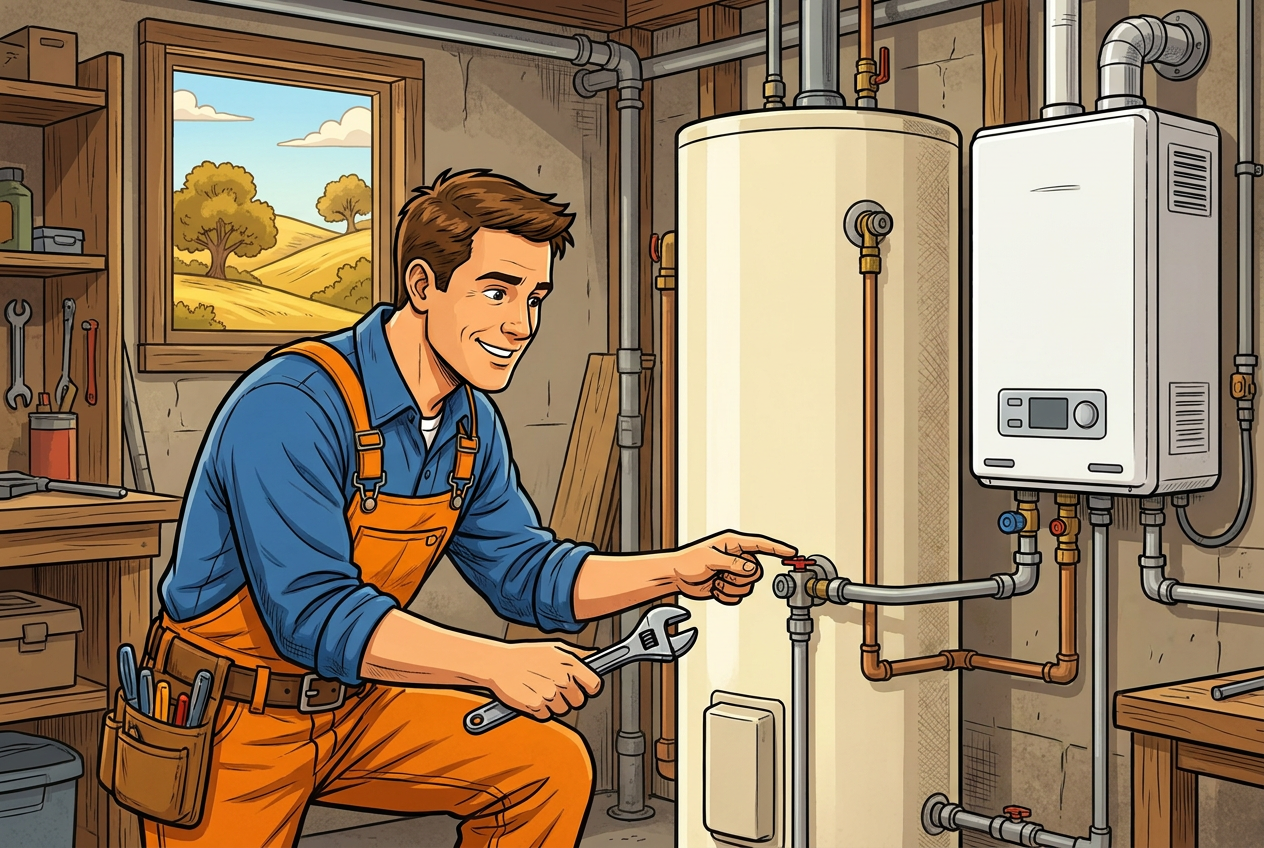
A tank water heater stores and continuously heats a reservoir of water (typically 40–80 gallons), while a tankless unit heats water on demand as it flows through the unit. Heat pump water heaters take a third approach: they pull ambient heat from the surrounding air to warm water, making them significantly more efficient than either standard option. Each technology has a different relationship with your home's fuel source, space constraints, and daily demand patterns, which is why the right answer isn't the same for every household.
Traditional Tank Water Heaters
Tank units are the most common water heaters in older Lake County homes. They run on natural gas, propane, or electricity, keeping water at a set temperature around the clock whether you need it or not. That constant reheating, called standby heat loss, is the main efficiency drawback. On the upside, they're straightforward to install, compatible with almost any home's existing infrastructure, and far less sensitive to water quality issues than tankless alternatives.
Tankless Water Heaters
Tankless units fire up only when you open a hot water tap. No storage, no standby loss. They're compact and wall-mounted, which frees up floor space in tight utility rooms. The trade-off is a higher upfront cost and, in many older homes, the need for gas line upsizing or electrical panel upgrades before installation can even begin. Flow rate is also a real-world limit: a single tankless unit may struggle to supply two simultaneous demands, like a shower and a dishwasher running at the same time.
Heat Pump Water Heaters
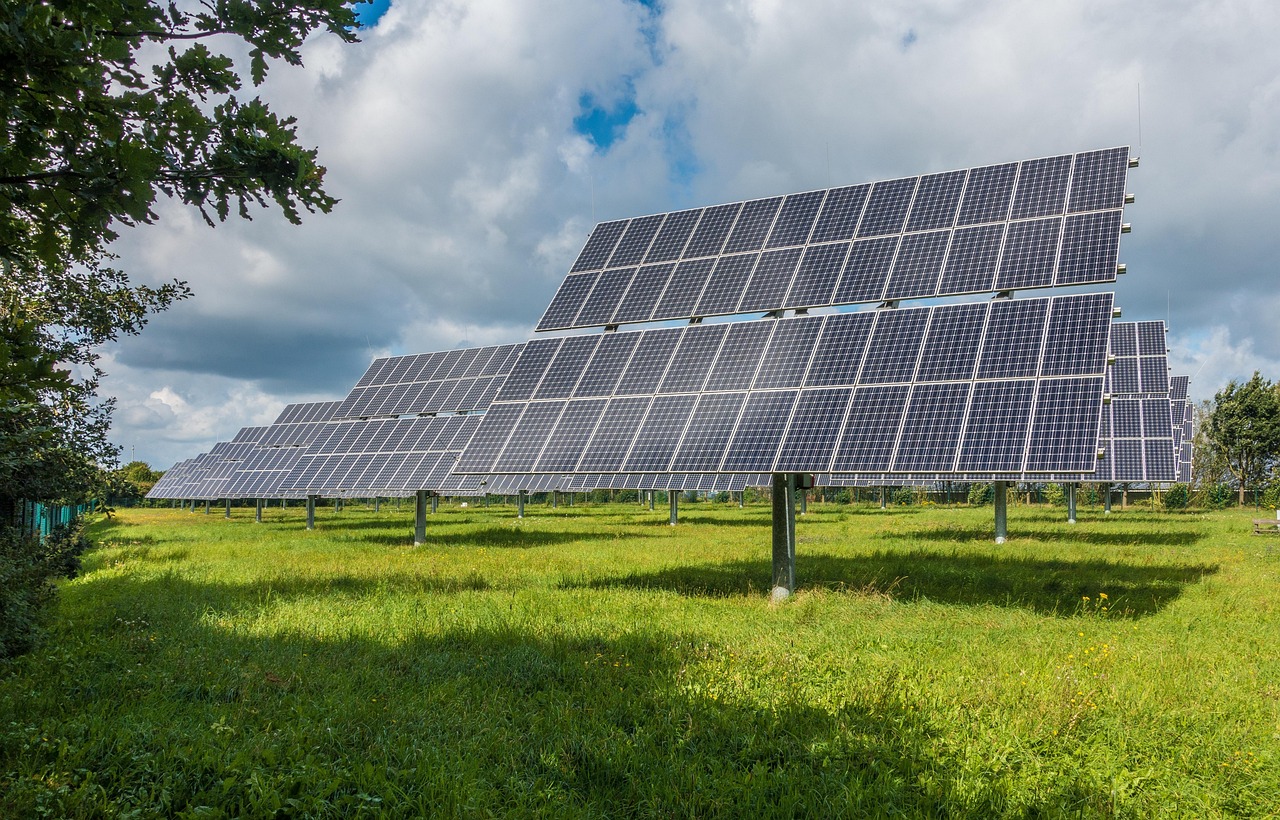
Heat pump water heaters are worth serious consideration for El Dorado County and Lake County homeowners who already have, or are planning, solar panels. They use electricity to move heat rather than generate it, which makes them two to three times more efficient than a standard electric tank. They do need adequate space around them (typically at least 700–1,000 cubic feet of air volume) and perform best in spaces that stay above 40°F year-round. To explore which option fits your home, learn about water heater installation options from Jonas Energy Solutions.
Upfront Cost vs. Long-Term Savings
Tank water heaters typically cost $900–$1,800 installed, while tankless units run $1,500–$3,500 or more depending on fuel type and any required upgrades. Heat pump water heaters generally fall in a similar range to tankless, sometimes higher, but California incentives can meaningfully close that gap (more on that below). Upfront cost and long-term cost are genuinely two different conversations.
What You Pay at Installation
A straight tank-for-tank swap is usually the least disruptive and least expensive path. Tankless installations get more complex when the existing gas line is undersized or when an electric model requires a new dedicated circuit or panel upgrade. Those additional costs are real and worth factoring in before comparing sticker prices. A proper in-home assessment will surface those requirements before any commitment is made.
What You Save Over Time
Tankless and heat pump models can cut water heating energy costs by 20–50%, with savings depending on household size, usage patterns, and fuel costs in your area. Many homeowners recover the price difference within 5–10 years. For a household running propane at rural foothill prices, the math often tips toward efficiency upgrades faster than it would for a home on cheaper natural gas. If the upfront investment is a concern, explore financing options to spread the cost of a new water heater — spreading the cost over time can make a more efficient unit accessible right now.
 Well water and older home infrastructure can affect which water heater type performs best. A proper assessment makes all the difference.
Well Water and Older Homes Change the Equation
This is where the generic tank-vs.-tankless comparison breaks down for a lot of Lake County properties. The conditions inside an older rural home, including the water source, the panel, the gas line, and the available space, can shift the recommendation significantly.
Hard Water and Mineral Buildup in Tankless Units
Well water in the Clear Lake basin and surrounding foothill communities tends to be hard. Mineral-rich water accelerates scale buildup inside tankless heat exchangers, which can reduce efficiency and shorten equipment life if the unit isn't flushed annually. That maintenance step is manageable, but it's not optional. If your home already has a water softener or whole-house filtration system, a tankless unit is a much easier fit. No softener? That's a factor worth discussing before you choose your equipment.
Panel Capacity and Gas Line Sizing
Older homes in Kelseyville, Lower Lake, Placerville, and similar foothill communities were often built with 100-amp panels and gas lines sized for the appliances of their era. An electric tankless water heater can draw 150–200 amps on its own, which almost always requires a panel upgrade. A gas tankless unit typically needs a larger-diameter gas line than what's currently in place. Neither issue is a dealbreaker, but both add cost and time to the project. Find out if your panel can support an electric tankless or heat pump water heater before settling on a unit type. It's a straightforward assessment and it prevents surprises.
Choosing the Right Water Heater for Your Household
No single water heater type wins for every home. The right choice depends on a combination of factors specific to your property and your household. Here's a practical way to think through the decision:
- Budget-first households replacing a failed tank quickly: a same-fuel tank replacement is usually the fastest, least expensive path with the fewest infrastructure surprises.
- Efficiency-focused homeowners with a newer panel and city water (or existing softener): tankless gas or a heat pump water heater offers real long-term savings and is worth the higher upfront investment.
- Solar homeowners already generating excess electricity: a heat pump water heater pairs well with solar production and can dramatically cut water heating costs.
- Large households (4+ people) with simultaneous hot water demands: size matters more than technology. A well-sized tank or a high-capacity tankless unit both work, but the assessment should confirm flow rate and recovery speed.
- Older homes on well water with no softener: a tank unit may be the lower-maintenance choice until water treatment is addressed.
- Propane-heated homes where fuel costs are high: efficiency upgrades have a faster payback than in natural gas homes, making tankless or heat pump options worth a closer look.
For more context on how these decisions play out in local homes, read more water heater guides from Jonas Energy Solutions.
 A straightforward water heater replacement typically wraps up in a single day, from assessment and permitting to final installation.
What the Replacement Process Looks Like with a Local Contractor
A water heater replacement with Jonas Energy Solutions starts with an in-home assessment to evaluate your current setup, fuel source, and any needed electrical or gas line work. From there, the team handles permitting, equipment sourcing, installation, and final inspection, typically completing a straightforward swap in a single day. More complex installs involving panel work or gas line upgrades may take longer, but you'll know the full scope before any work begins.
- In-home assessment: A technician evaluates your existing water heater, fuel source, panel capacity, water quality, and available space to recommend the right equipment.
- Permitting: Required permits are pulled before work starts, keeping the job code-compliant from day one.
- Equipment sourcing: The right unit is selected and sourced based on your home's actual requirements, not just what's in stock.
- Installation: The old unit is safely removed and the new system is installed, including any necessary gas line, electrical, or plumbing work.
- Final inspection: The installation is inspected to confirm everything meets local code, and you're walked through how to operate and maintain your new system.
Keeping your new water heater running well long-term comes down to routine maintenance. Protect your new water heater with a Jonas Energy Solutions maintenance plan — annual flushing and inspection extend equipment life and catch small issues before they become expensive ones.
Rebates and Incentives Worth Knowing About in California
California has been expanding incentives for high-efficiency water heaters, particularly heat pump models. The federal Inflation Reduction Act currently offers a tax credit of up to 30% (capped at $2,000) for qualifying heat pump water heater installations. State and utility rebate programs have also been available in parts of Northern California, though availability and amounts shift over time.
The practical advice here is to ask before you buy. Incentive programs have eligibility requirements around income, equipment efficiency ratings, and installation timelines, and some rebates require pre-approval. Contact Jonas Energy Solutions to ask about current rebates and incentives that may apply to your home and situation. It's a quick conversation that can meaningfully change the math on a higher-efficiency unit.
How long does a water heater replacement typically take?
A straightforward tank-for-tank swap usually takes a single day. Installations that require electrical panel upgrades, gas line work, or significant plumbing changes may take longer. An in-home assessment will give you a realistic timeline before any work begins.
Can I install a tankless water heater if I'm on well water?
Yes, but well water quality matters. Hard water with high mineral content can cause scale buildup in tankless heat exchangers, reducing efficiency over time. Annual flushing is important, and homes without a water softener or filtration system may need to address water quality alongside the water heater upgrade. A local contractor can assess your water and recommend the right approach.
Is a heat pump water heater a good fit for a home with solar panels?
Often, yes. Heat pump water heaters are highly efficient and pair well with solar production, especially if your system generates excess electricity during the day. The key factors are available space (they need room to draw in air) and a utility room that stays above 40 degrees Fahrenheit year-round.
What if my panel is too small for a new electric water heater?
An undersized electrical panel is a common issue in older Lake County and El Dorado County homes. A panel upgrade can be done as part of the same project, and in some cases, rebates or incentives are available for that work as well. The in-home assessment will identify whether a panel upgrade is needed before you commit to any equipment.