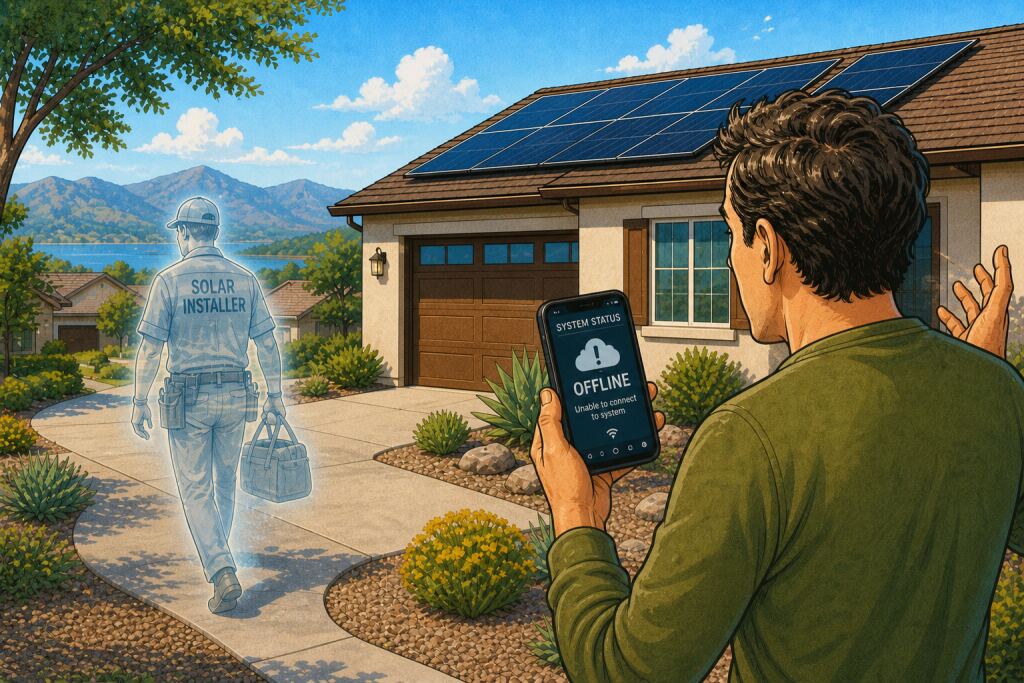
Orphaned solar systems are more common than most homeowners think. A solar array can last for decades, but the companies that installed them do not always stick around that long. If your original installer is unresponsive, out of business, or simply refusing to help, you can feel stuck. The good news is that most orphaned solar problems are fixable once you know what to look for and who to call.
In this guide, we’ll break down what “orphaned solar systems” means, the most common signs your system is underperforming, and the safest steps you can take before scheduling a professional evaluation.
What “orphaned solar systems” means (and why it’s common)
An orphaned solar system is a solar setup that still belongs to a homeowner, but no longer has a reliable installer or service provider attached to it. Sometimes the installer went out of business. Other times the installer is still around but is not willing to troubleshoot your system because they are overloaded, you moved into the home after installation, or your system is outside their service policies.
The most common “orphaned” situations
You might have an orphaned solar system if any of these sound familiar:
- Your solar installer closed, merged, or stopped returning calls.
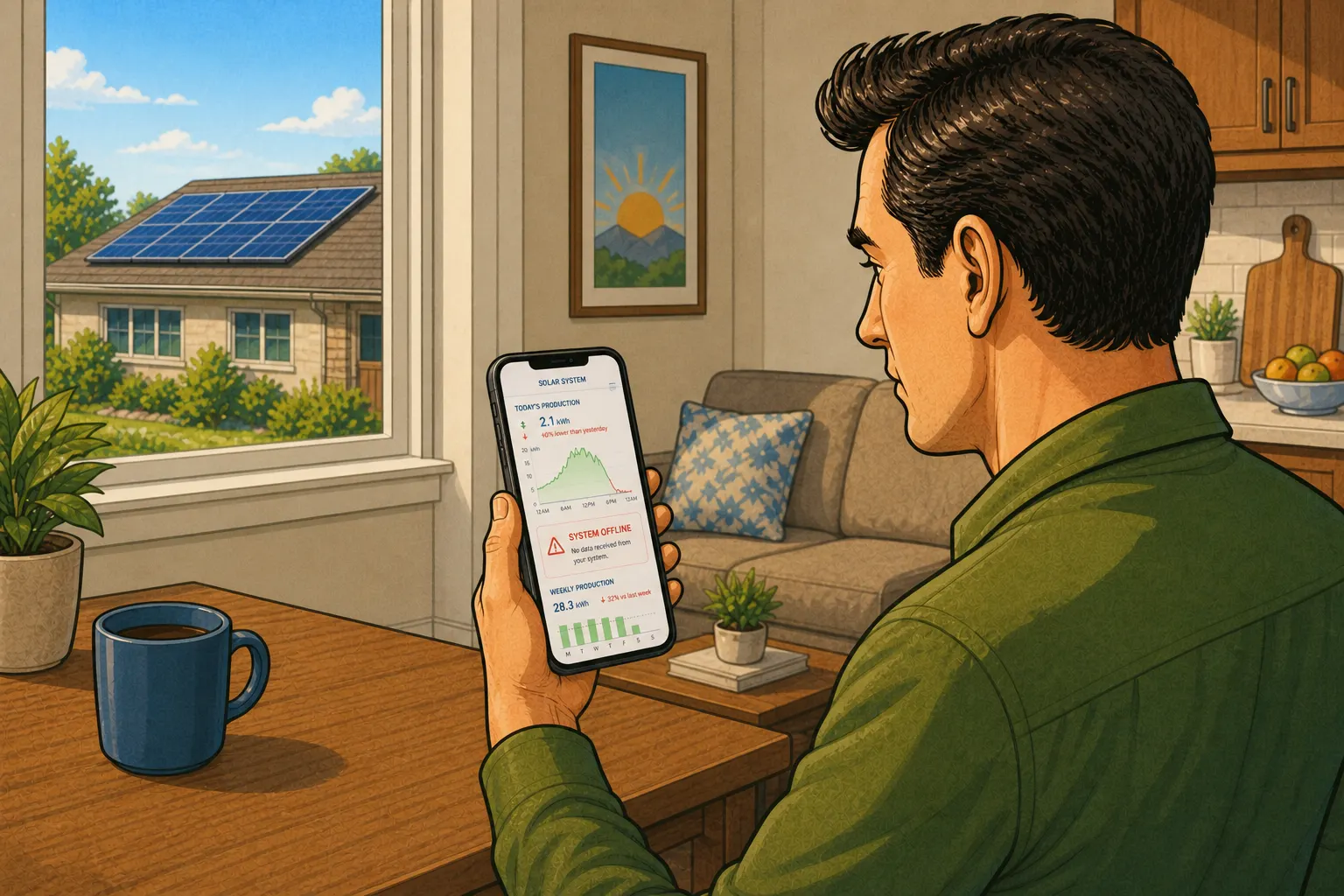
- Your solar monitoring app stopped working, and no one will help reconnect it.
- You bought a home with solar and never received proper handoff documentation.
- Your system is producing less, but you cannot get a straight answer about why.
Why a system can still work but underperform quietly
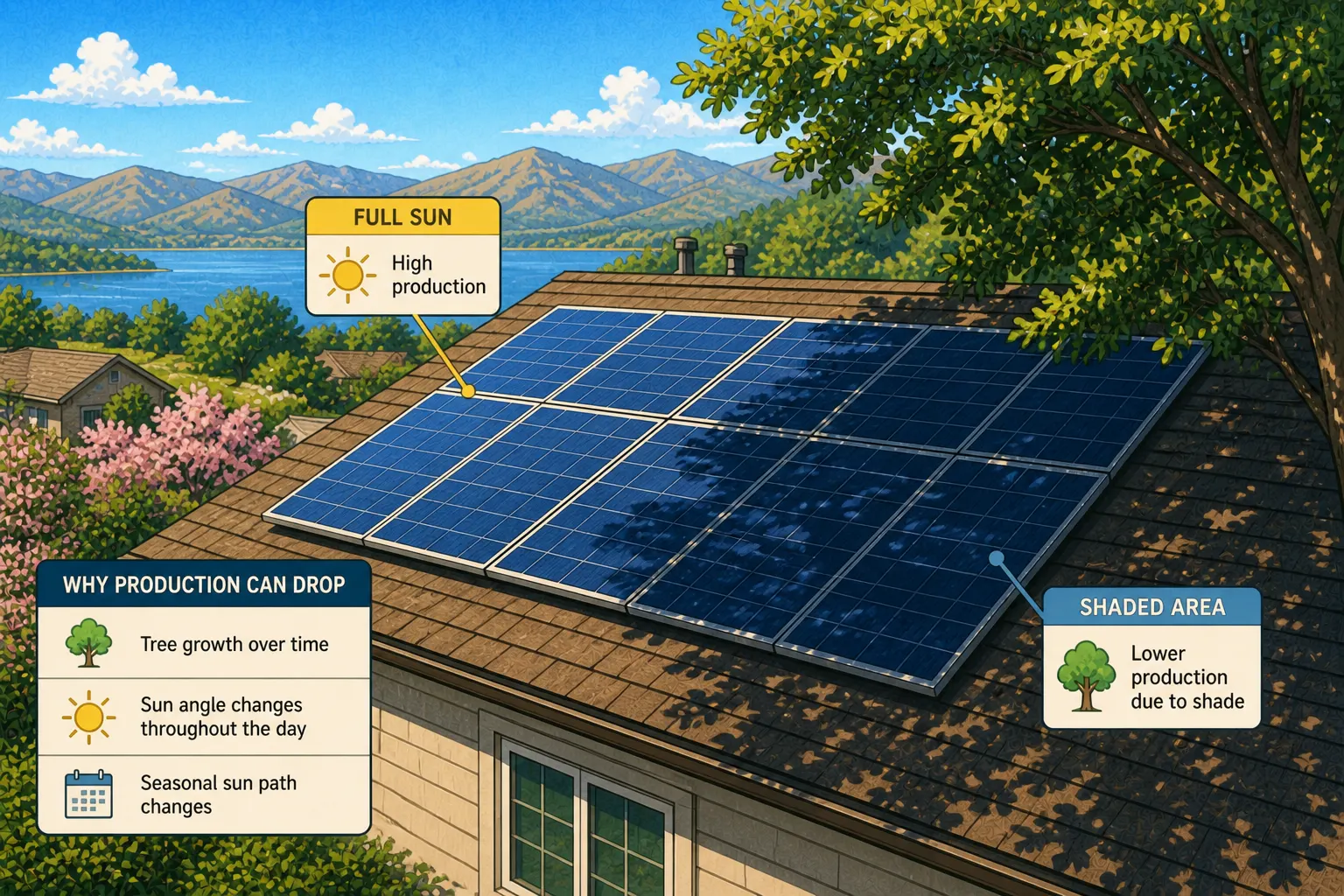
Solar is not like a traditional appliance where a failure always feels obvious. A system can “look fine” from the ground while production is dropping month after month. In many cases, the problem is tied to monitoring connectivity issues (you cannot see production, so you assume it’s fine), inverter faults that reduce output instead of shutting down completely, panel shading changes over time (tree growth is a big one in Lake County), or loose connections, damaged components, and aging equipment.
Why you should fix it sooner rather than later
If your system is underproducing, you may be paying more to your utility than necessary. If it’s fully offline, you are paying for a solar system that is not delivering value.
And if you are under NEM 3 or transitioning into it, understanding your system’s real production matters even more. When net metering credits are lower, every kilowatt-hour you generate and use directly becomes more important.
The 6 signs your solar system may be underperforming
You do not need to be an expert to spot early warning signs. Here are a few that come up often for Lake County homeowners.
Your bill is climbing even though you have solar
If your electric bill is trending up and your usage habits have not changed much, your system may not be producing what it used to. Rising rates can be part of this, but production issues are common enough that it’s worth checking.
The monitoring app is offline or missing
If you cannot access your monitoring portal, you are flying blind. A monitoring disconnect does not always mean the system is not producing, but it does mean you cannot verify performance.
Inverter errors, alerts, or “no production”
Inverters are one of the most common points of failure in a solar system. If you see error lights, warning codes, or “no production” messages, treat it as a signal to investigate quickly. (Exact troubleshooting steps depend on your inverter brand and model.)
What you can safely check yourself (without risking warranty or safety)
There are a few homeowner-friendly checks you can do. The goal is not to do a DIY repair. It’s to gather enough information so a professional can diagnose the issue faster.
Check your monitoring portal or inverter display
If you have access to monitoring, look for a sudden drop to zero production, a gradual decline month over month, or communication errors where the system is not reporting.
If you do not have monitoring access, many inverters have a basic display or indicator lights that show whether the system is producing or faulted.
Look for obvious shading or debris changes
In Lake County, shading changes can happen gradually. A tree that was fine three years ago may now shade part of the array during prime production hours. Debris, dust, or seasonal buildup can also impact output.
If you are considering cleaning, use a cautious approach. Before you hire anyone or attempt it yourself, it helps to understand when cleaning is worth it and what methods can cause damage.
Confirm your utility bill details and rate changes
Sometimes a “solar problem” is actually a rate or usage shift. Look for time-of-use changes, baseline allowance changes, and new high-draw appliances (EV chargers, hot tubs, space heaters, or additional HVAC use).
Even if your rates changed, you still want a working monitoring setup so you can see what solar is doing versus what your home is consuming.
When it’s time to call a solar service company
If your monitoring is down, your inverter is throwing errors, or your production appears to be falling, it’s time to bring in a solar service company. This is especially true if your installer is unresponsive.
Inverter troubleshooting and replacement planning
Inverter issues are one of the most common reasons a system stops producing. A good evaluation will confirm whether the inverter is actually failing, whether it’s a communications issue, or whether another component is causing the problem.
If replacement is needed, you want a clear plan that covers equipment compatibility, expected production impact, timeline and scheduling, and any monitoring or app changes after replacement.
Diagnosing production drops, wiring issues, and system faults
A professional evaluation can identify issues that are not visible from the ground, including electrical faults, damaged wiring, component failures, or disconnects that have been switched off.
Whether adding a battery makes sense (especially after NEM 3)
For some homeowners, “fixing” an orphaned system is also an opportunity to upgrade. Under NEM 3, battery storage can help you use more of your solar energy when it matters most, instead of exporting it for lower credits.
If you are already considering battery backup, it’s helpful to understand your current system’s production first. Adding battery storage can help you use more of your own solar energy and reduce what you pull from the grid during peak hours.
How Jonas Energy Solutions helps orphaned solar owners in Lake County
If you are dealing with an orphaned solar system, Jonas Energy Solutions can help you get answers and a path forward.
A clear evaluation process and straightforward repair plan
The goal of a solar system evaluation is simple: confirm what is working, identify what is not, and recommend the most practical next step. That might be reconnecting monitoring, troubleshooting the inverter, replacing a failed component, or planning a repair that restores full production.
If your system feels unsupported and you are not sure where to start, Jonas Energy offers a dedicated evaluation process for homeowners with orphaned or unsupported solar systems.
Options for monitoring, repairs, and long-term maintenance
Many orphaned solar owners also want peace of mind going forward. A good service plan restores monitoring visibility, establishes a baseline for normal production, helps you understand what changes are normal versus concerning, and makes sure your system is ready for seasonal peaks.
Jonas Energy’s solar services cover everything from new installations to ongoing maintenance and repair for Lake County homeowners.
Financing options when a repair becomes an upgrade
Sometimes an evaluation reveals a bigger decision: replace a major component, modernize monitoring, or add storage. Jonas Energy offers financing options for qualifying repairs and upgrades that can make those decisions more manageable — confirm eligibility and current terms before making a decision.
Next steps: get your solar system producing again
If your installer is gone or not returning calls, you do not have to live with uncertainty. The fastest way to stop guessing is to schedule a solar evaluation, confirm your production, and get a clear repair plan.
What to have ready for your evaluation
If you can, gather:
- Any documents you have from the original install
- Your utility provider name and a recent bill
- The monitoring app login (if you have one)
- Notes about when you first noticed changes
How to schedule with Jonas Energy Solutions
Reaching out to the Jonas Energy team is the quickest way to get your questions answered and schedule a solar evaluation.