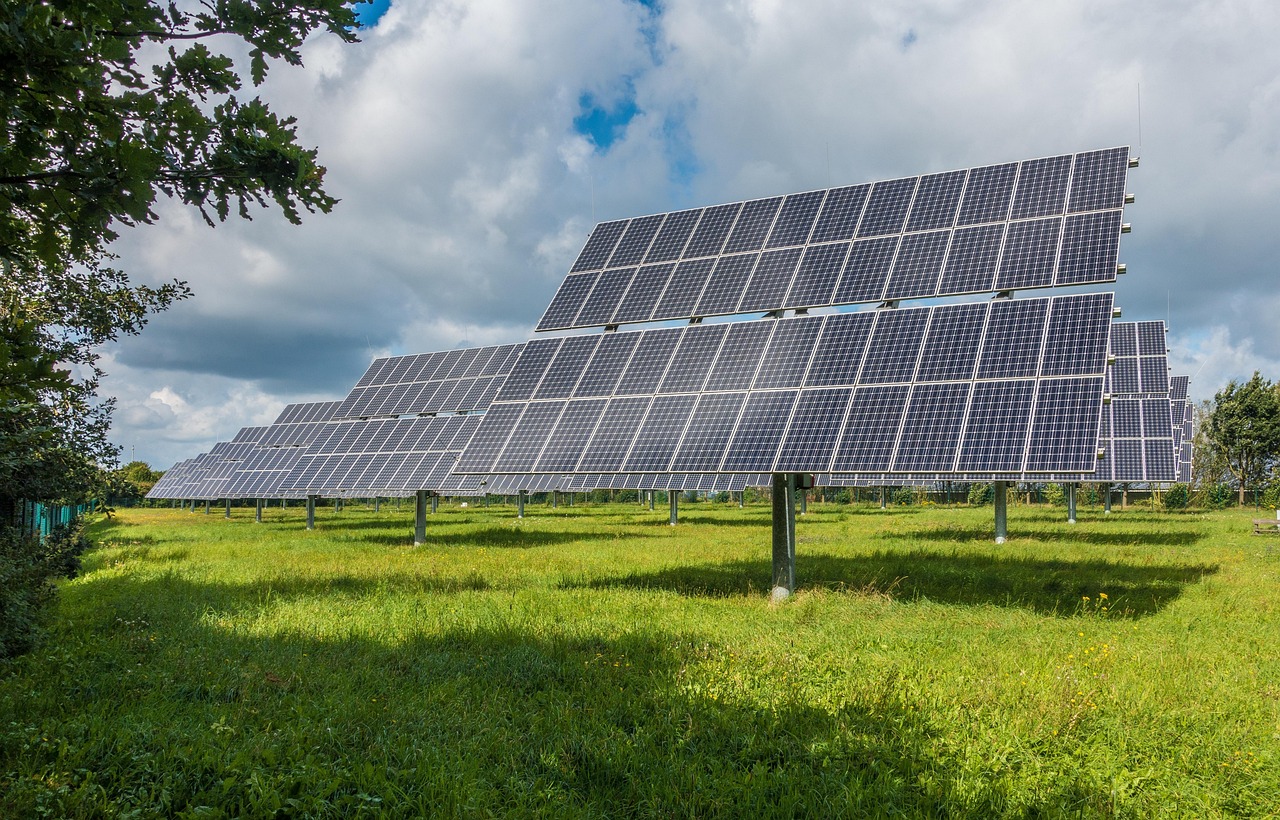

If you have ever looked at your PG&E bill and thought, “I just want to take the edge off,” you are not alone. A full rooftop solar system can be an amazing long-term solution, but it is not always the right first step. Some homes have limited roof space. Some people live in manufactured homes or rentals. Some homeowners are not ready to navigate a full interconnection process. And some simply want a smaller, lower-commitment way to start producing their own power.
That is where balcony solar panels come in. Think of this as a compact, portable solar setup designed to offset part of your everyday usage without turning your life into a construction project.
What balcony solar panels are and who they help
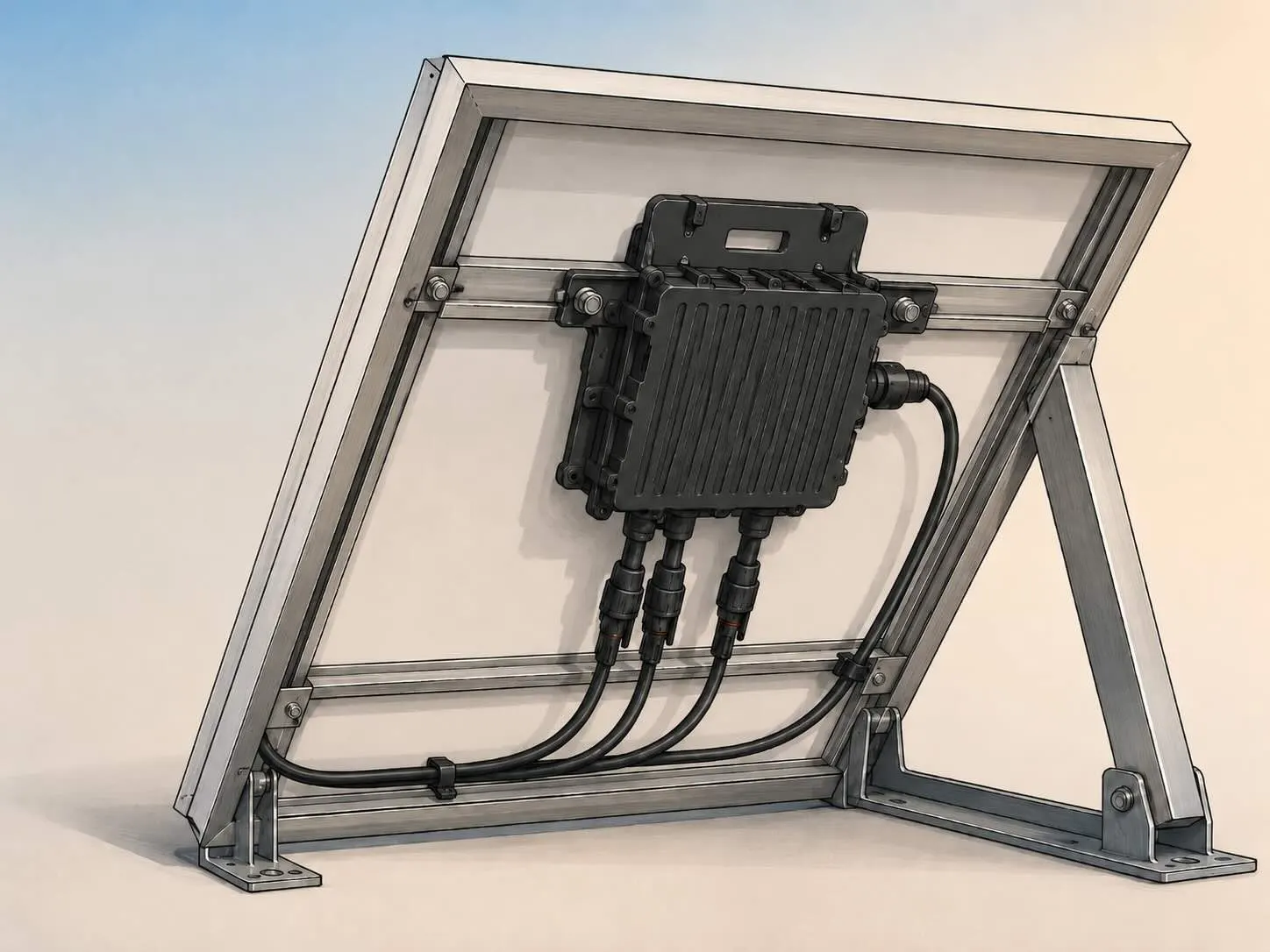
Balcony solar is a small solar kit that is typically non-permanent and portable. In the simplest terms, it is solar that is meant to fit real-life constraints, like limited space, temporary living situations, or a desire to start small.
Plug-in solar and the micro-inverter concept
The key idea is that the system uses a micro-inverter to convert solar power from DC to AC. That AC power can be supplied into your home’s electrical system when the equipment is properly listed, installed, and used according to local rules and the manufacturer’s instructions, which is why you will often hear the phrase “solar panels that plug into an outlet.”
From a homeowner perspective, the benefit is straightforward. It can help offset household energy usage during the day when the sun is out.
Good-fit homes and spaces in Lake County
Based on what Jonas Energy has been discussing internally, this kind of system may be a fit when you have a real constraint that makes rooftop solar difficult.
This can include:
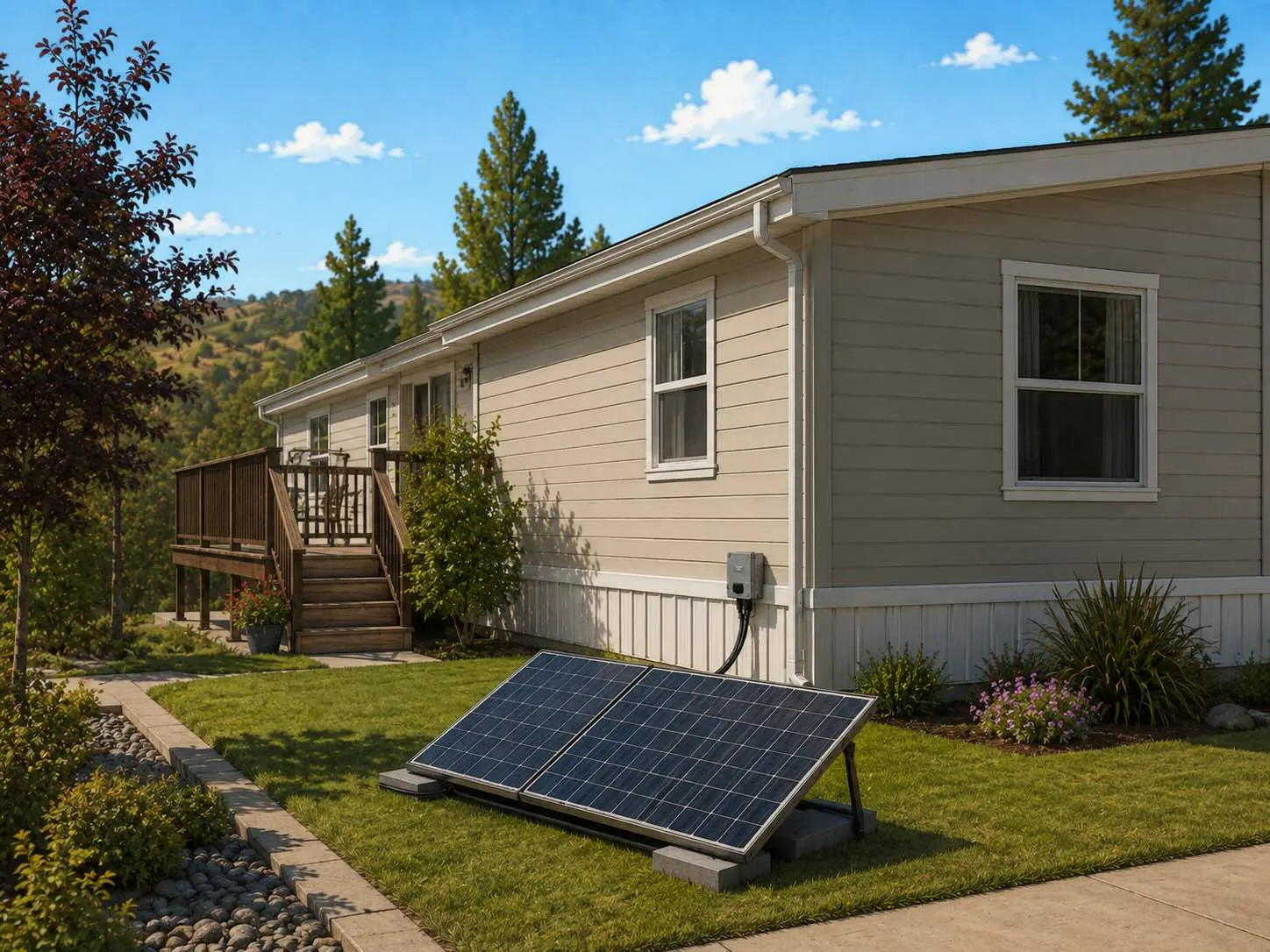
- Balconies, patios, and limited outdoor spaces where a compact rack setup is realistic
- Manufactured and mobile homes where roof constraints or ownership details complicate a full install
- Homes with roof limitations such as shading, poor roof orientation, or a roof that is not ready for a long-term system
If you rent or live in an HOA, confirm written permission for any exterior mounting before purchasing equipment.
It can also be a good fit when you want a “starter” system first, then decide later whether you want a larger installation.
When a full rooftop system is still the better move
Balcony solar is not a magic replacement for a full install. If your goal is to meaningfully cover most of your annual electricity usage, a proper rooftop system is usually the right direction.
If you are already thinking bigger, it can help to start with a clear overview of what full solar options look like in the real world.
How a plug-in solar setup works in plain language
A good balcony solar conversation starts with clarity. People do not need an engineering lecture. They need to know what changes in their day-to-day life.
Where the power goes after you plug it in
When the sun is producing power, the micro-inverter converts it to usable AC power. That power can be consumed by your home’s loads in real time. In practical terms, the solar power helps supply whatever your home is using at that moment.
What can and cannot be offset in a typical home
A small system is best thought of as a partial offset. It may reduce the amount of power you pull from the grid during the day, but it will not typically cover everything.
For example, a small plug-in solar setup may help cover part of your daytime “always-on” usage like internet equipment, standby loads, and some lighting, but it is not designed to run a whole home the way a full rooftop system can.
That is why it helps to be realistic about what you want this to accomplish. The goal is often to reduce part of the bill, not erase it.
Why expectations matter with a small system
The most common disappointment we see with “small power” projects is not that the technology fails. It is that the buyer expected a small system to act like a whole-house solution.
If you want to build toward a larger solar plan over time, it helps to understand the bigger building blocks, including panels, inverters, and the path from starter systems to full installations.
What to verify before you buy or install balcony solar panels
Because balcony solar sounds simple, people sometimes assume it is risk-free. It is still electricity. The right setup protects your home, your family, and your investment.
Safety and electrical compatibility checks
Start with safety and compatibility. The system should be installed and used in a way that fits your electrical setup, avoids overloads, and respects how power should be introduced to a home.
For safety context, UL has published guidance on testing and certification frameworks for plug-in solar systems.
Even if you are aiming for something portable, you still want a professional sanity check before you rely on it.
Rules, permissions, and utility considerations
Jonas has noted that this setup may not require the same PG&E process as traditional solar. That said, rules and requirements can vary based on equipment details, utility policies, and how the system is configured.
If you want to understand how California thinks about interconnection at a high level, Electric Rule 21 is a helpful reference point.
The practical takeaway is simple. Do not assume “no paperwork” until you have confirmed the specific product details and the intended installation method.
Mounting and wind considerations for balconies and yards
These systems may be mounted on a rack or a small ballast system. That detail matters in Lake County because wind exposure and the realities of balconies, railings, and outdoor spaces can make or break a setup.
You want a mount that is stable, safe, and appropriate for where it will live. You also want to avoid putting stress on railings or creating a fall hazard.
How Jonas Energy Solutions would evaluate fit locally
The most helpful thing Jonas can do is remove guesswork. That is especially important with balcony solar because the “right answer” depends on your space, your goals, and the exact product specifications.
A practical site check that avoids guesswork
A fit check should cover where the panels would be placed, how they will be mounted, and how the power will be used in the home.
It should also include a quick reality check on what kind of offset you can expect, based on how you actually use power day to day.
Cost, value, and financing conversations
For many people, balcony solar only makes sense if it stays easy and affordable. If financing is part of the plan, it helps to understand what options might be available and what a payment approach could look like.
The difference between DIY experimentation and a reliable long-term plan
A DIY experiment can be fine if you treat it like an experiment. The moment you want reliability, safety, and a plan you can build on, it is worth working with a team that can help you choose equipment that fits your goals and does not create downstream problems.
If you are in a situation where an older solar system is underperforming or was installed by a company that is no longer around, Jonas can also help you evaluate service options for existing systems.
Next steps if you want to explore balcony solar in Lake County
Balcony solar is promising because it gives people a path forward when the “perfect” option is not practical.
Questions to ask before you commit
Before you buy, focus on the questions that protect you.
Here are a few practical questions that help you avoid surprises:
- What is the expected output range for this kit in real-world conditions, and what does that usually offset in a typical home?
- How is it mounted and secured for wind and weather, and what surfaces is it approved to be used on?
- How does it connect electrically and what safety features or certifications does it include?
- What rules apply locally for this type of device and setup, and what would change if you later upgrade to a full solar system?
When to step up to rooftop solar or batteries
If your goal is long-term energy independence or a larger offset, balcony solar can be a starting point, but it should not be the end of the plan.
A conversation that includes your roof potential, your timeline, and backup power goals can save you money and frustration later.
How to get a straight answer on availability and timing
Jonas has noted that availability may be limited depending on inventory and final product specifications, but final product details still matter.
If you want a clear answer on whether balcony solar is a fit for your home, the best next step is to call or contact Jonas Energy Solutions to ask about availability and evaluation options.