
If you live in Lake County and your bill seems to spike right when the weather starts to feel nicer, you are not imagining it . Spring is one of the easiest seasons for your energy use to drift upward without any single obvious culprit. You might run the heat in the morning, crack on the A/C by afternoon, and keep the lights and appliances going longer as routines shift.
The good news is that a spring bill increase usually has a few explainable causes. Even better, there are practical ways to smooth out your costs, cut usage, and make your home more comfortable, without turning the house into a science project.
What causes your Lake County utility bill increase
For many homeowners, spring feels like the season where the house should basically run itself. But in practice, spring is often the start of higher, less predictable energy use.
The swing-season HVAC trap
In March and April, Lake County can bounce between chilly mornings and warm afternoons. That temperature swing creates a pattern that drives up consumption. You run the furnace or heat pump early, the sun heats the house up mid-day, and by late afternoon the indoor temperature overshoots and the A/C comes on. Even if each “on” cycle is short, multiple cycles per day add up quickly. This is especially true if your thermostat is set to keep things perfectly steady, rather than allowing a small comfort range.
Time-of-use pricing can make normal usage feel expensive
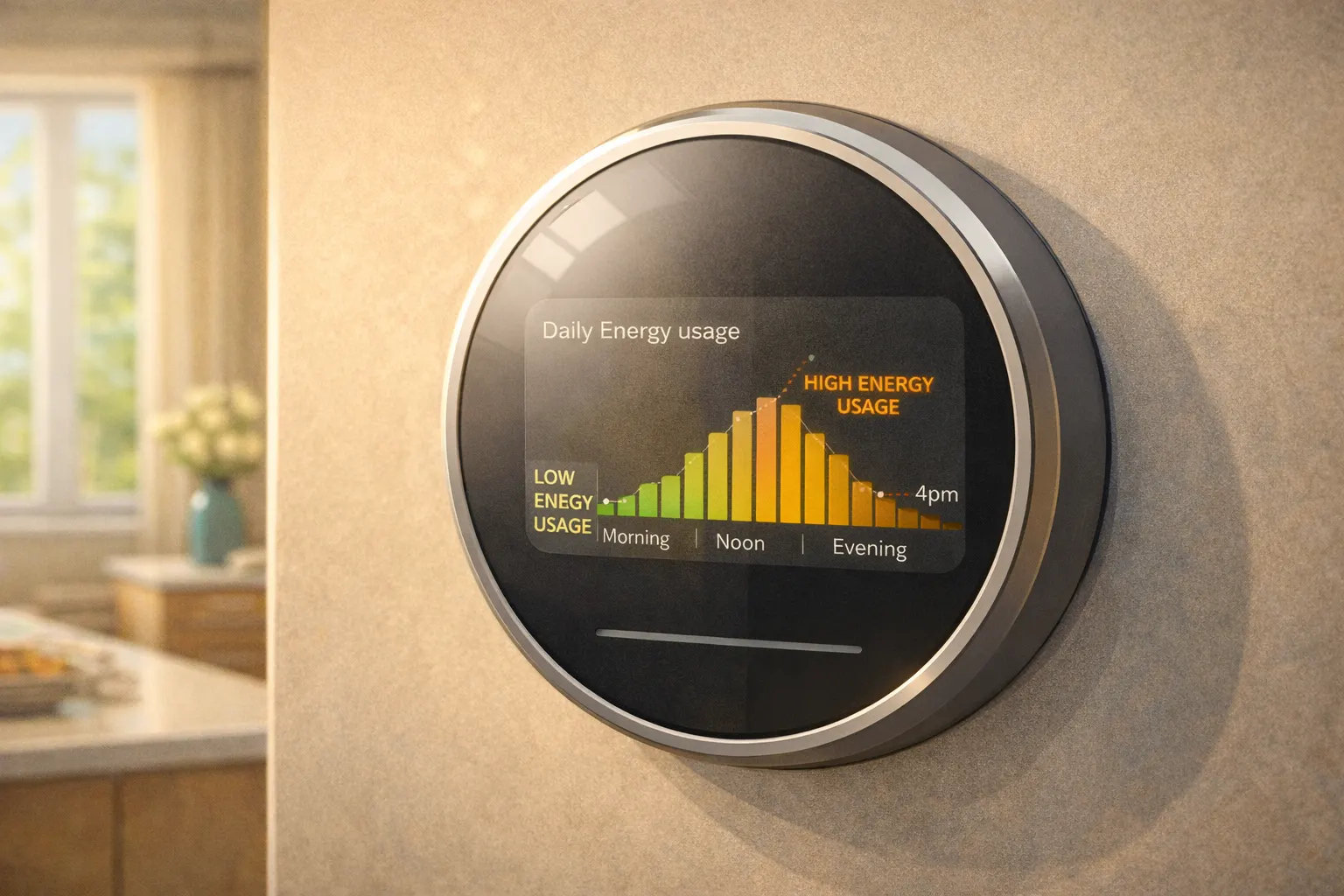
PG&E plans often include time-of-use (TOU) periods, meaning electricity costs more during certain hours. If your household naturally uses more power in the late afternoon and evening, your bill can climb even if your total kWh does not explode.
Common spring habits that land in higher-rate windows include cooking dinner, laundry, dishwashers, A/C, charging devices, and general “everyone is home” electricity demand.
Longer days can still mean more energy use
It sounds backwards, but longer days can increase usage. More activity at home, later bedtimes, and more frequent appliance use can outweigh any lighting savings, especially if you are doing spring cleaning, running extra loads of laundry, or powering outdoor equipment.
A quick, simple way to diagnose what changed
Before you start making upgrades, it helps to identify what is actually driving the increase. Most spring bill spikes come down to HVAC patterns and TOU timing.
Check your bill for two things
Look at the most recent statement and compare it to the prior cycle: total usage (kWh) versus last month and your rate plan and whether more of your usage happened during higher-priced hours. If usage is only slightly higher but costs jumped, TOU timing or rate changes are likely a major factor.
Look for “silent” drivers inside the home
A few things can quietly raise spring usage: a thermostat schedule that is fighting the weather and constantly correcting up and down, a dirty HVAC filter reducing airflow and making the system run longer, a heat pump or A/C that is short cycling due to airflow issues (or an aging system), and extra hot water use, especially if guests are visiting or routines changed.
How to keep costs predictable in spring
You do not have to overhaul your whole home to see meaningful improvement. In many cases, a few adjustments reduce both the bill and the day-to-day annoyance of uneven temperatures.
Use a smarter thermostat strategy
Instead of locking your home to one exact temperature all day, aim for a small comfort band. That reduces constant cycling and helps the home “ride out” a warm afternoon without instantly triggering the A/C.
If you have a smart thermostat, set it up so it avoids aggressive changes during the most expensive TOU hours. If you do not, a simple schedule can still help, especially if you are currently manually nudging the thermostat multiple times a day.
Do the spring HVAC basics (they matter more than most people think)
A seasonal tune-up is not just about comfort. A system that has to work harder than necessary costs more to run. Start with the basics: replace or clean your HVAC filter, make sure supply vents are open and unobstructed, and if some rooms are consistently hotter or colder, consider airflow balancing (this is often fixable). If you are not sure what your system should be doing, this is a good moment to have a technician take a look. A small issue like airflow restriction can have an outsized impact on runtime.
Shift heavy usage away from peak hours when possible
This is not about living on a strict schedule. It is about moving the biggest loads when it is easy: run laundry and dishwashers outside the peak window when you can, and pre-cool or pre-heat slightly before peak hours so the HVAC does less work during the expensive period. Small timing changes can make TOU plans work for you instead of against you.
When upgrades make sense: batteries, solar, and energy storage
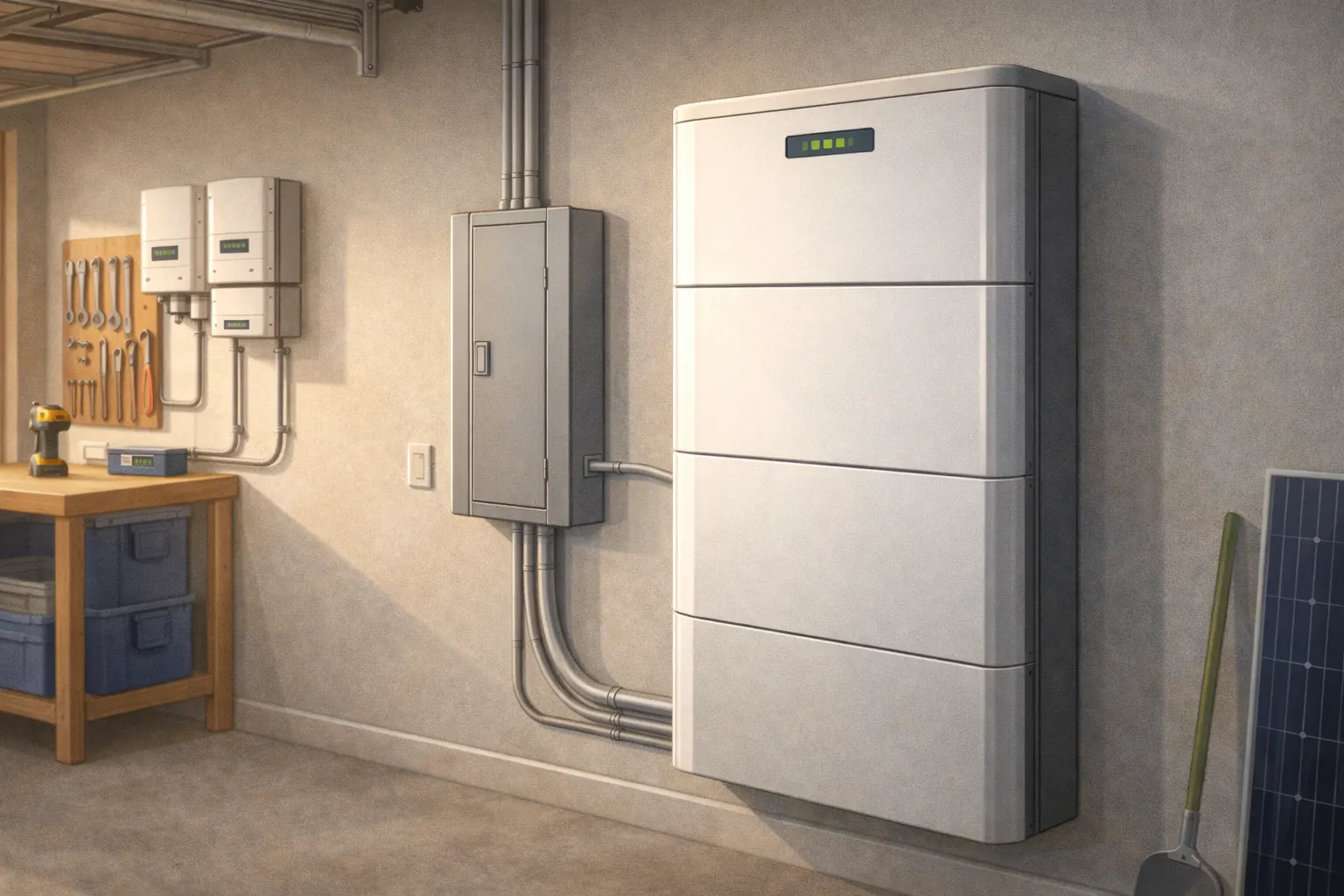
If you want more stable bills long-term, energy storage can be one of the most effective tools available. Instead of being fully exposed to peak-rate pricing, you can use stored energy during higher-cost periods.
How battery storage helps in practical terms
A home battery can charge when rates are lower (or when solar is producing) and then help power the home later, especially during peak windows. That can reduce the expensive, late-day draw from the grid. Battery storage also helps with a second, very Lake County reality: outages. Even short outages can be disruptive, and storage can keep critical loads running more smoothly.
Solar plus storage: predictable costs and resilience
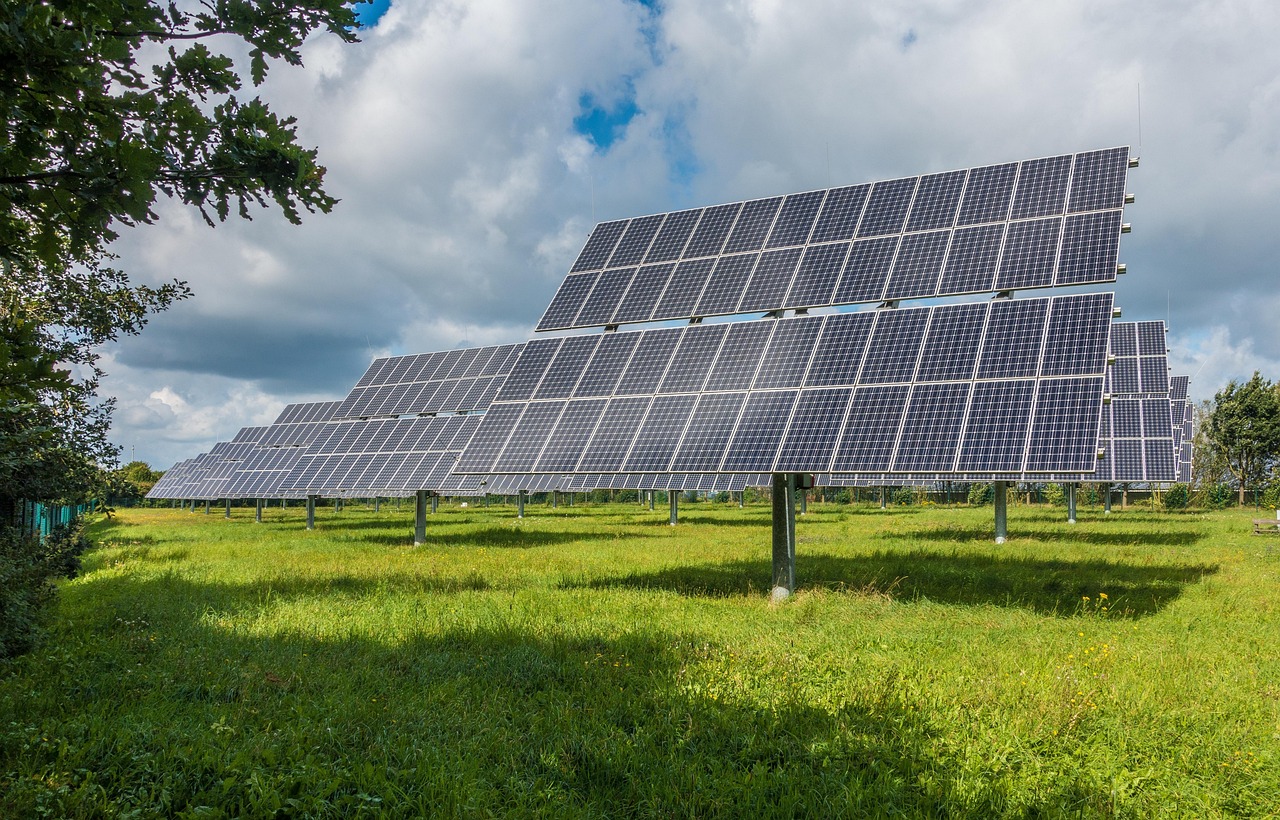
Solar alone can reduce overall usage from the grid, but pairing solar with a battery typically improves your ability to use more of your own production. That combination can smooth the seasonal bill swings that show up when TOU pricing and HVAC needs collide. Exact savings depend on your rate plan, usage patterns, and system sizing. A quick assessment is usually the fastest way to see whether the math works for your home.
Spring checklist: what to do this week
If your goal is to get the next bill under control, focus on actions with the highest payoff. Here is a simple order of operations:
- Review your latest statement for TOU timing and total usage.
- Replace the HVAC filter and confirm vents are open.
- Adjust your thermostat schedule to reduce up-and-down swings.
- Shift one or two heavy appliance loads outside peak hours.
- If the bill still feels unpredictable, consider an HVAC tune-up and an energy storage assessment.
When to call a professional (and what to ask)
If your system is running constantly, struggling to keep up, or flipping between heat and cool, it is worth getting expert eyes on it. A good service visit should answer questions like: Is the system sized and configured correctly for the home? Are there airflow or duct issues increasing runtime? Is the thermostat setup causing unnecessary cycling? Would a heat pump adjustment, maintenance, or upgrade reduce operating cost?
Next step for Lake County homeowners
If you are tired of spring bills being a surprise, you do not need to guess your way out of it. Jonas Energy Solutions can help you identify what is driving the increase and what changes will actually make the biggest difference, whether that is HVAC efficiency improvements, thermostat optimization, or battery storage for peak-rate control and outage protection.
Call or contact us to schedule an HVAC service or request a quote.