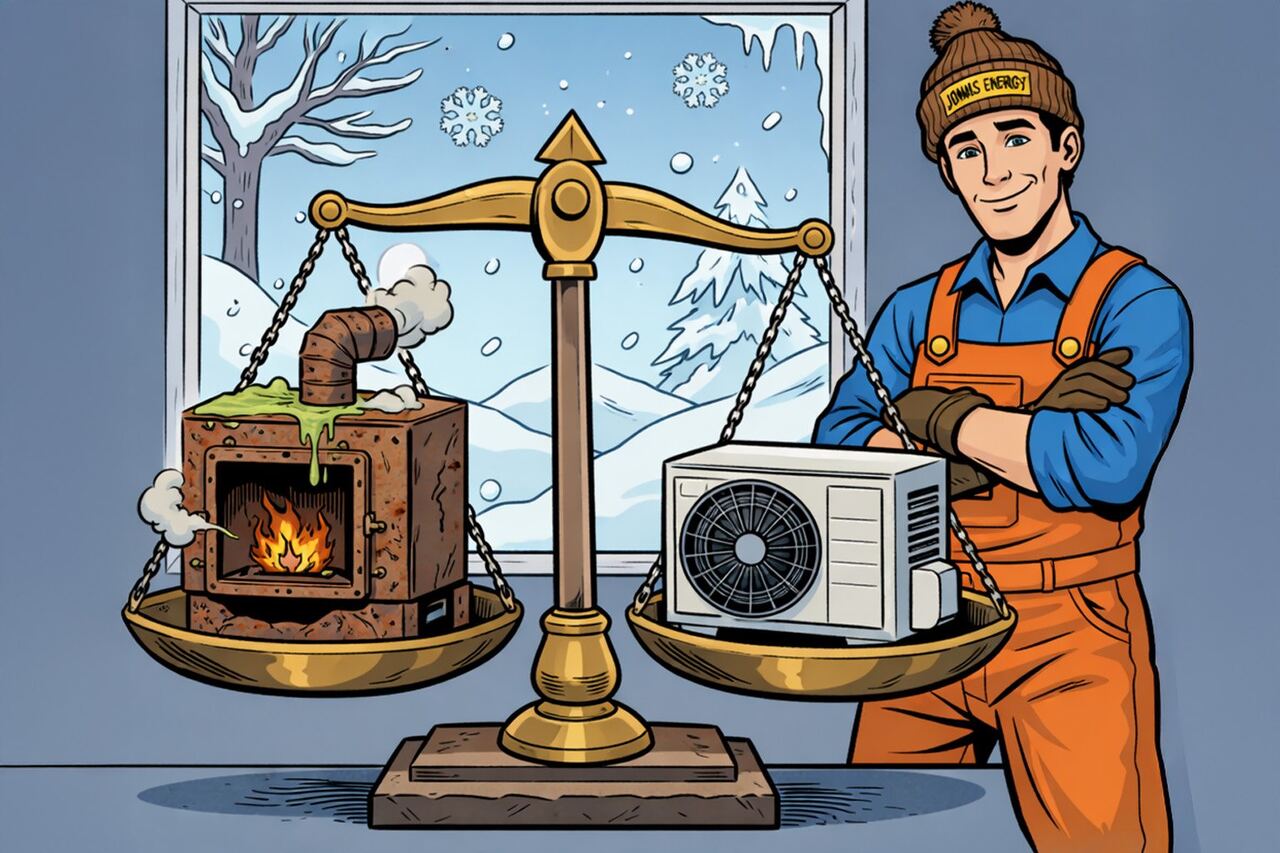
When winter arrives in Lake County, your heating system becomes the most important appliance in your home. Whether you live in Clearlake, Lakeport, or Middletown, cold nights and unpredictable weather patterns demand a reliable heating solution. But when it’s time to upgrade or replace your system, you face a critical decision: should you install a heat pump or stick with a traditional furnace?
Both systems have their strengths, but the right choice depends on your home’s specific needs, your budget, and how Lake County’s unique climate affects performance. This guide breaks down the key differences between heat pumps and traditional furnaces so you can make an informed decision that keeps your family comfortable all winter long.
Understanding How Each System Works
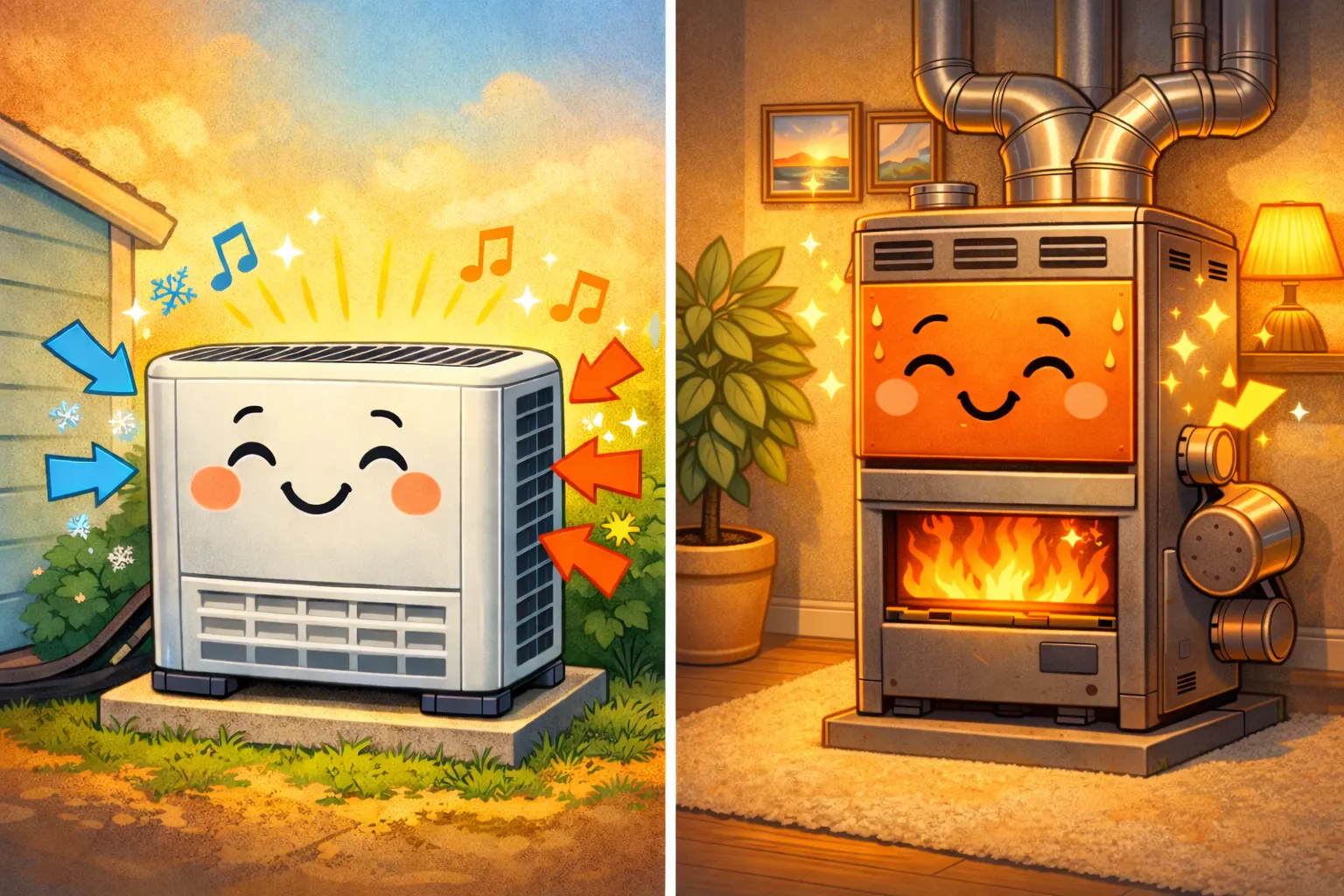
Before comparing performance and costs, it helps to understand what makes these systems different at a fundamental level.
How Heat Pumps Work
A heat pump doesn’t generate heat the way a furnace does. Instead, it moves heat from one place to another. During winter, it extracts heat from the outside air (even when it feels cold) and transfers it indoors. During summer, it reverses the process and acts like an air conditioner, removing heat from your home.
Think of a heat pump like a refrigerator running in reverse. Your fridge pulls heat out of its interior and releases it into your kitchen. A heat pump does the same thing, but it pulls heat from outside and brings it into your living space.
How Traditional Furnaces Work
Furnaces create heat by burning fuel (natural gas, propane, or oil) or using electric resistance coils. The system then distributes that heated air throughout your home via ductwork. Furnaces excel at producing high-temperature air quickly, which is why they’ve been the go-to choice for cold climates for decades.
Climate Considerations for Lake County Homes
Lake County experiences mild winters compared to many parts of the country, but temperatures still drop into the 30s and 40s regularly, with occasional freezes. This moderate climate actually creates an ideal environment for heat pumps to perform efficiently.
Heat pumps work best when outdoor temperatures stay above 25 to 30 degrees. In Lake County, where severe cold snaps are rare, a heat pump can handle the majority of your heating needs without assistance. However, during those few extremely cold nights, some heat pump systems may need a backup heating source to maintain comfort.
Traditional furnaces, on the other hand, maintain consistent performance regardless of outdoor temperature. If your home is in a particularly cold microclimate or you prioritize maximum heating power on the coldest nights, a furnace might offer peace of mind.
Efficiency and Operating Costs
One of the biggest factors in your decision should be long-term operating costs. Here’s where heat pumps often shine in moderate climates like Lake County.
Heat Pump Efficiency
Heat pumps are incredibly efficient because they move heat rather than generate it. For every unit of electricity a heat pump uses, it can deliver three or more units of heating. This efficiency translates directly to lower monthly energy bills. In Lake County’s mild winters, homeowners with heat pumps typically see significant savings compared to gas furnaces or electric resistance heating.
Modern heat pump technology has advanced dramatically. Today’s high-efficiency models maintain strong performance even in temperatures that would have challenged older systems. Variable-speed compressors and improved refrigerants allow heat pumps to adapt to changing conditions and operate more efficiently throughout the heating season.
Furnace Efficiency
Gas furnaces have also improved over the years. High-efficiency models can achieve 95% or higher efficiency ratings, meaning they convert nearly all their fuel into usable heat. However, even the most efficient furnace can’t match the energy multiplication that heat pumps achieve.
Your operating costs with a furnace will depend heavily on fuel prices. Natural gas prices fluctuate, and in some areas of Lake County, propane or heating oil may be your only option. These fuels tend to cost more than electricity, especially when you factor in the heat pump’s efficiency advantage.
Installation and Upfront Costs
Budget matters when upgrading your heating system, and the initial investment varies between heat pumps and furnaces.
Heat pumps typically cost more upfront than standard furnaces. The equipment is more sophisticated, and installation requires both heating and cooling expertise. However, because a heat pump handles both heating and cooling, you’re essentially installing two systems in one. If you need to replace both your furnace and air conditioner, a heat pump becomes much more cost-effective.
Traditional furnaces generally have lower upfront costs, especially if your home already has ductwork in place. Gas furnaces require a connection to a gas line or propane tank, which adds complexity if you’re converting from another fuel source. Electric furnaces have the lowest equipment costs but the highest operating expenses.
Many utility companies and government programs offer rebates and incentives for high-efficiency heat pumps because of their environmental benefits. These programs can significantly reduce your out-of-pocket costs and make heat pumps more affordable than you might expect.
Comfort and Performance
Heating your home isn’t just about economics. Comfort matters too, and these systems deliver warmth differently.
Furnaces produce very hot air that can heat a cold house quickly. If you’re used to feeling that blast of warm air when your heating kicks on, a furnace delivers that familiar sensation. However, this cycling between hot air blasts and periods of no heat can create temperature swings throughout your home.
Heat pumps run more continuously but at lower intensities. They maintain more consistent temperatures by making smaller, more frequent adjustments. Many homeowners find this creates more even comfort without the hot and cold spots that furnaces can produce. The air coming from your vents won’t feel as hot as furnace air, but your home will stay at your desired temperature more steadily.
Maintenance and Longevity
Both systems require regular maintenance to perform efficiently and last their expected lifespan.
Heat pumps work year-round, handling both heating and cooling, which means they accumulate more operating hours than a furnace that only runs in winter. This increased use means heat pumps may need more frequent maintenance and could have shorter lifespans, typically 15 to 20 years with proper care.
Furnaces generally last 20 to 30 years when maintained properly. Because they only operate during heating season, they experience less wear and tear. Annual maintenance for a furnace focuses on combustion safety, burner adjustment, and heat exchanger inspection.
Heat pump maintenance includes checking refrigerant levels, cleaning coils, and ensuring both indoor and outdoor units operate correctly. Jonas Energy Solutions offers maintenance plans that cover both system types and help prevent the small issues that can turn into expensive repairs.
Environmental Impact
If reducing your carbon footprint matters to you, heat pumps offer clear environmental advantages. Because they move heat rather than burn fossil fuels, they produce fewer greenhouse gas emissions, especially when powered by electricity from renewable sources.
Natural gas furnaces release combustion byproducts directly into the atmosphere. While modern furnaces are very clean-burning, they still contribute to carbon emissions in a way that electric heat pumps don’t.
California’s push toward cleaner energy makes heat pumps increasingly attractive. As the electrical grid incorporates more solar and wind power, the environmental benefits of heat pumps will continue to grow.
Making Your Decision
Choosing between a heat pump and a furnace isn’t about finding a universally “better” option. It’s about matching the system to your specific situation.
Consider a heat pump if: you want to replace both heating and cooling systems, prioritize energy efficiency and lower operating costs, prefer consistent temperatures without hot and cold cycles, or want to reduce your environmental impact.
Consider a furnace if: you already have a functioning air conditioner, need maximum heating power for an especially cold location, have access to affordable natural gas, or prefer lower upfront equipment costs.
For many Lake County homes, a heat pump offers the best combination of efficiency, comfort, and year-round functionality. The moderate climate rarely pushes heat pumps beyond their capabilities, and the energy savings add up quickly. However, some situations still favor furnaces, particularly when natural gas is readily available and affordable.
Get Expert Guidance for Your Home
Every home has unique heating requirements based on size, insulation, ductwork condition, and usage patterns. The best way to make this decision is to have a heating professional evaluate your specific situation.
Jonas Energy Solutions has been helping Lake County homeowners choose and install the right heating systems for decades. Our team understands how local climate conditions affect system performance, and we can provide personalized recommendations based on your home’s needs and your family’s priorities.
We’ll assess your current system, discuss your comfort goals and budget, explain your options without sales pressure, and ensure you understand the long-term costs and benefits of each choice.
Ready to upgrade your heating system? Contact Jonas Energy Solutions today to schedule a consultation. We’ll help you find the perfect heating solution for your Lake County home, whether that’s a high-efficiency heat pump or a modern furnace. Call us at (707) 994-5911 or visit our showroom at 9125 CA-53 in Lower Lake to learn more.