
If you live in Lake County and your home still runs on an oil furnace or boiler, you are not alone. A lot of households installed oil heat decades ago because it was dependable and, at the time, cost-effective.
Today, those systems can feel like a double hit. You are paying for fuel deliveries that fluctuate in price, and you are maintaining equipment that is harder to service as parts and experienced technicians get harder to find. On top of that, many homeowners want a cleaner, more modern option that fits with California’s direction on electrification.
This guide walks through what an oil-to-electric conversion actually looks like, what it tends to cost, how rebates and financing may help, and what you can do to avoid common mistakes.
What “oil-to-electric conversion” really means
An oil-to-electric conversion is more than swapping one box for another. You are typically changing how your home creates heat, how it distributes that heat, and sometimes how the home is zoned.
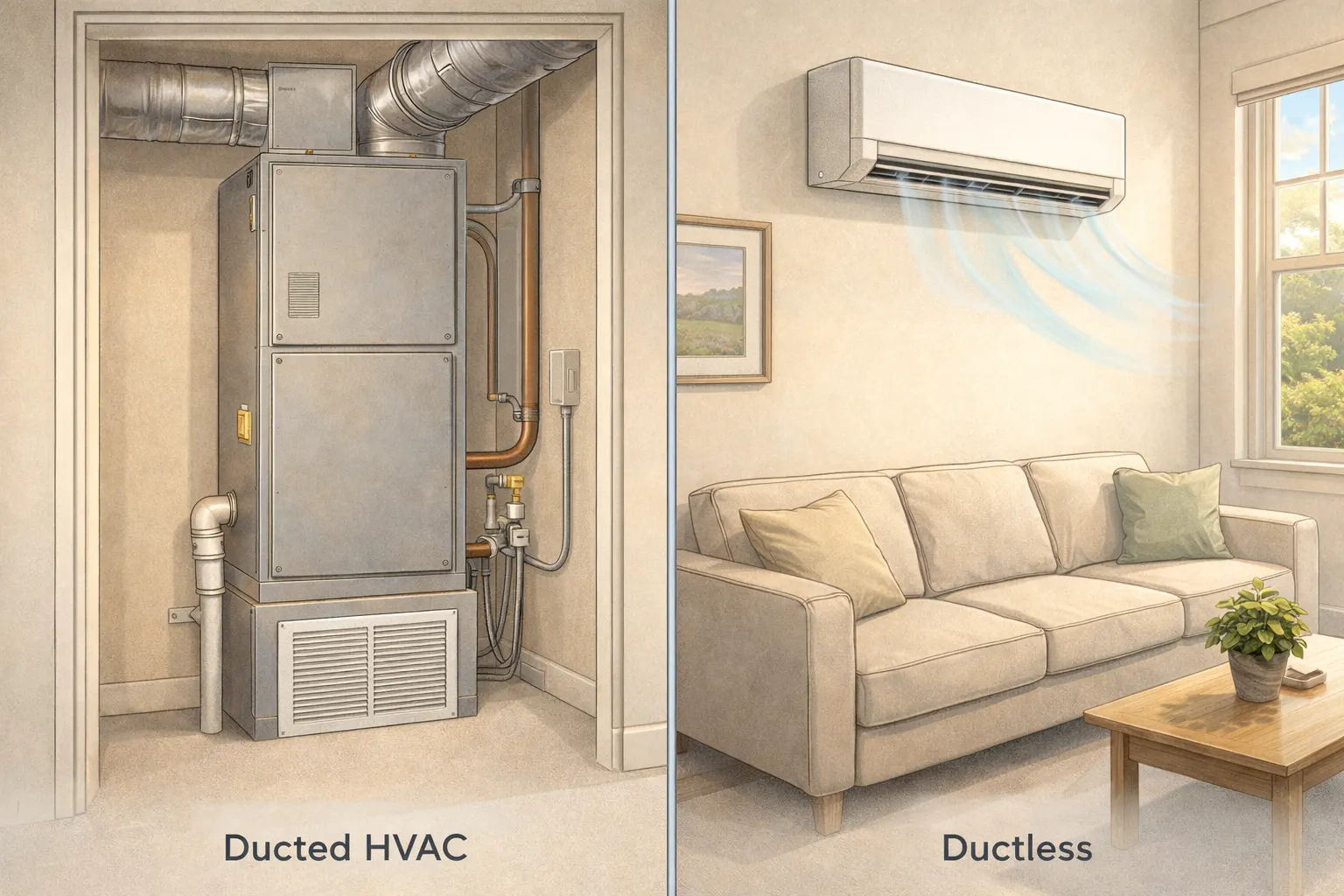
In practice, most Lake County conversions take one of three shapes. Some homeowners replace an oil furnace with a ducted heat pump that uses existing ductwork. Others switch to ductless mini-splits, often Mitsubishi-style systems, especially when ducts are limited or zoning is a priority. And some homes do best with a hybrid approach, such as a ducted heat pump for the main living areas plus mini-splits for additions, upstairs rooms, or hard-to-heat zones.
The right fit depends on your ductwork condition, your home layout, your comfort preferences, and how fully you want to move away from on-site fuel.
Why homeowners in Lake County are switching away from oil
Oil heat can still work, but the gap between “works” and “makes sense long-term” is widening.
First, fuel costs can be volatile, and you tend to feel that volatility during the coldest weeks when you need heat the most. With a heat pump, you are primarily paying for electricity usage. While utility rates can still rise, many homeowners gain more control through zoning, insulation improvements, and smart thermostat settings.
Second, many oil systems in the area are older. When a major component fails, you can end up choosing between expensive repairs or an urgent replacement. Heat pumps are not maintenance-free, but the service profile is generally different and parts availability is often better.
Third, electrification can improve comfort. Mini-splits are especially popular because they let you heat specific rooms without overheating the whole house. That matters in Lake County, where some homes have additions, converted garages, or upstairs areas that never feel quite right with a single oil system.
Finally, electric systems feel cleaner day-to-day. Oil heat has a smell, and some homes deal with soot, dust, and the worry of leaks. Moving to electric eliminates fuel storage on-site and can feel like an immediate quality-of-life upgrade.
Heat pumps vs. mini-splits: what to choose
This is the decision that shapes the entire project.
Ducted heat pump (good if you already have ducts)
A ducted heat pump replaces the oil furnace as the central air handler and uses existing ductwork to distribute heated or cooled air. If your ducts are in good shape, this can be a straightforward conversion.
Homeowners often like the familiar “central heat” feel and the clean look, since there are fewer visible indoor components. The tradeoff is that ductwork quality matters. If ducts are leaky, undersized, or poorly routed, comfort issues can persist until the duct system is repaired, sealed, or redesigned.
Ductless mini-splits (great for zoning and homes without good ducts)
Mini-splits use one outdoor unit and one or more indoor heads, and each indoor head can be controlled independently. They are often a strong choice when ducts are missing, in poor condition, or when you want better control over specific rooms.
The main tradeoffs tend to be aesthetic and placement-related. You will usually see indoor heads (unless you choose concealed ducted units), and the location of those heads matters a lot for airflow and comfort.
What the conversion process looks like (step-by-step)
Every home is different, but the overall flow is usually consistent.
First, the project should start with a home assessment and a heating and cooling load calculation. A load calculation helps avoid oversizing or undersizing, which can lead to short-cycling, uneven temperatures, and comfort complaints.
Next comes the distribution and zoning plan. This is where you choose ducted versus ductless, and whether you want a single zone or multiple zones.
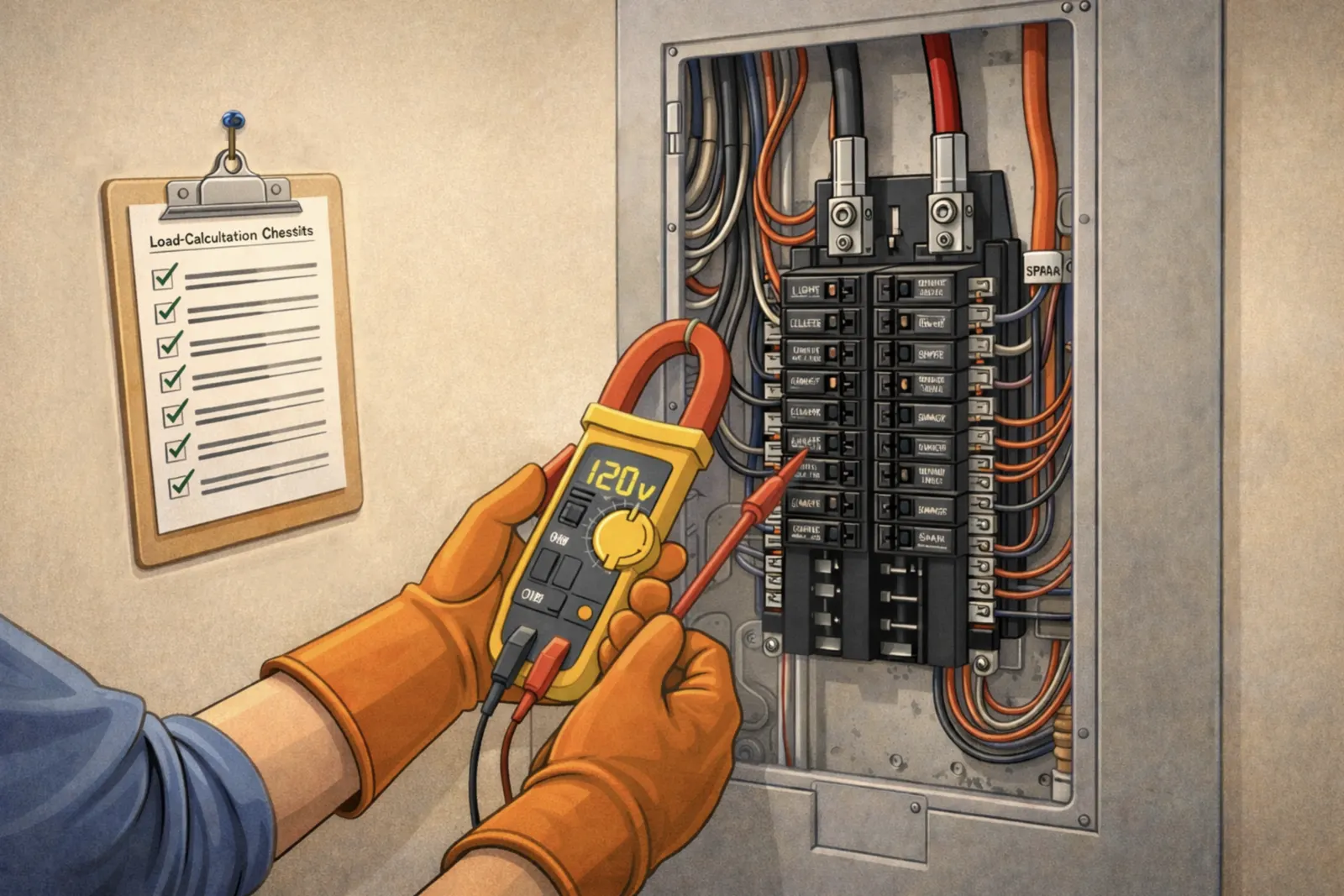
Then, there should be an electrical review. Electrification can increase electrical demand, so a good contractor will confirm panel capacity, circuit availability, and any needed upgrades.
After that, the old oil equipment is removed or decommissioned, and the oil tank is addressed. If you have questions about tank removal requirements, ask during your estimate because rules and best practices can vary by situation.
Finally, the new system is installed and commissioned. Commissioning verifies the system is set up correctly: airflow, refrigerant charge, thermostat configuration, and safety checks. This is also where excellent installs separate from average ones.
Cost: what influences the price of an oil-to-electric conversion
Pricing ranges can be wide because conversions vary a lot. A few factors tend to drive the total most often.
Ductwork is a big one: if you need duct repairs, sealing, or a brand-new duct system, the scope expands quickly. Zone count is another: more mini-split heads and more zones typically mean higher equipment and labor. Electrical work can also shift the price significantly, especially if a panel upgrade or additional circuits are required.
Equipment selection matters too. Higher efficiency systems, premium brands, or specific features can increase cost, but they may also improve comfort and operating costs. Finally, access challenges, like tight attics, crawlspaces, or difficult equipment locations, can increase labor time.
When you compare estimates, make sure you are comparing the same scope. A cheaper quote may simply exclude key work like electrical upgrades, duct improvements, or proper commissioning.
Rebates, incentives, and financing: how homeowners lower the out-of-pocket cost
Many homeowners can reduce conversion costs through rebates, tax credits, and utility programs. These change over time, and eligibility can vary.
A practical approach is to ask your contractor what programs are currently available, confirm that the recommended equipment and installation meet program requirements, and keep documentation for any tax credit filing.
If you are considering financing, ask about options that pair well with rebate timing. Some programs pay after installation, so cash-flow planning matters.
(If a specific rebate amount is unknown right now, treat any number you see online as a starting point and confirm it before making a decision.)
Common mistakes to avoid
A conversion can be a major upgrade, but only if it is planned well.
One common issue is choosing equipment before addressing underlying comfort problems. If you already have cold rooms, drafts, or insulation gaps, those problems can persist even with new equipment. Many homes benefit from duct sealing, attic insulation improvements, or air sealing first.
Another frequent mistake is skipping a real load calculation. Bigger is not always better. Oversized systems can cycle too often and deliver worse comfort.
It is also easy to underestimate electrical needs. Electrification is not only an HVAC decision, it is an electrical planning decision too. Confirm panel capacity early.
Finally, homeowners sometimes miss the opportunity to take advantage of zoning. If your home has a back bedroom wing, upstairs rooms, or a garage conversion, a thoughtful zoning plan can improve comfort and keep bills more predictable.
How to know if your home is a good candidate
You are usually a strong candidate if your oil system is aging or expensive to repair, you want both heating and cooling, you have areas of the home that need better control, or you want to reduce reliance on fuel deliveries.
If your home has constraints, such as limited electrical capacity or duct limitations, that does not mean conversion is impossible. It just means the plan needs to be customized.
What to ask during an estimate
A good estimate visit should feel like a consultation, not a quick sales pitch. Here are a few high-impact questions to ask:
- Will you run a load calculation, and can you explain the results?
- Are you recommending ducted, ductless, or hybrid, and why?
- Do you anticipate any electrical upgrades?
- What rebates or financing options should I be aware of?
- How will you commission the system after install?
Give us a call or request an estimate
If you are exploring an oil-to-electric conversion, the fastest way to get clarity is a home-specific assessment. A qualified contractor can help you understand what equipment makes sense for your layout, what the electrical requirements look like, and which rebates might apply.
Take the next step and give Jonas Energy Solutions a call at 707 994 5911 or request an estimate.