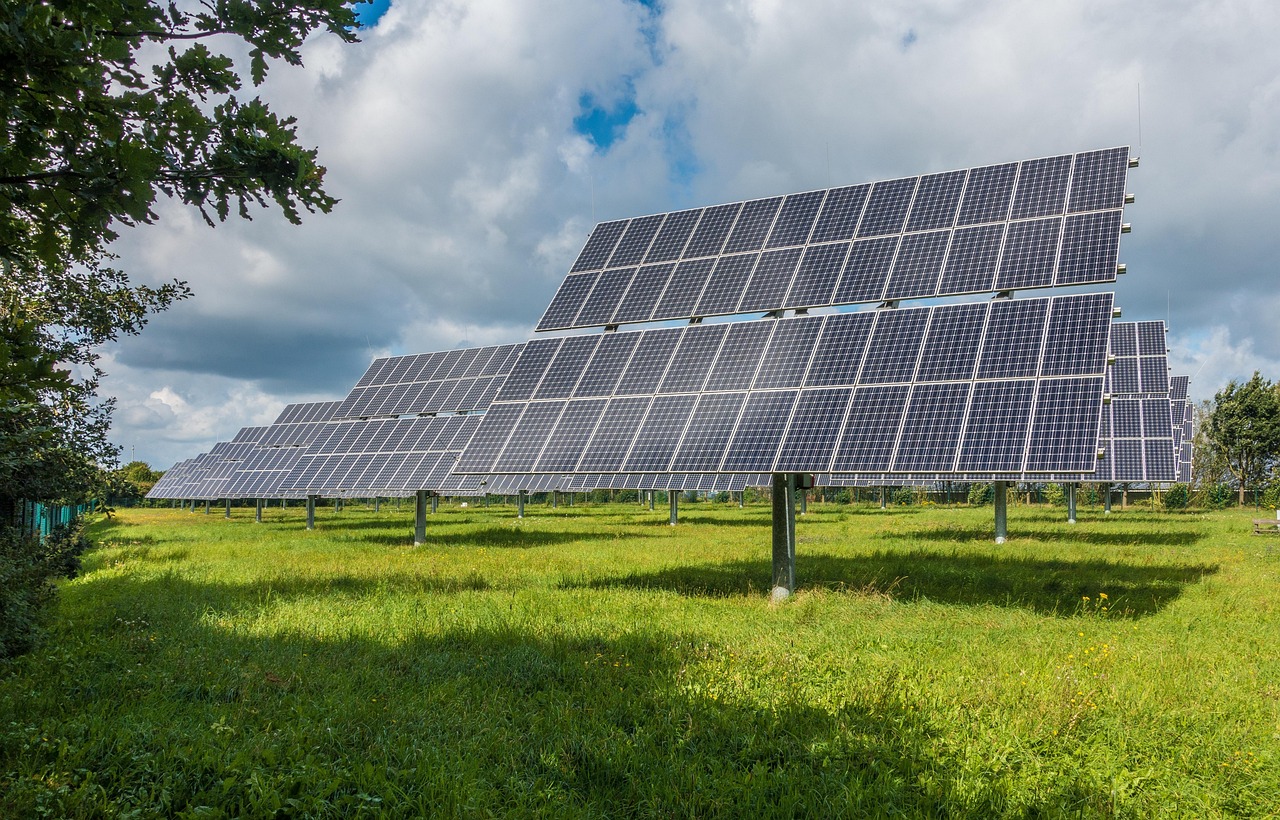
It's a fair question, and the answer surprises a lot of homeowners: most grid-tied solar systems shut down during a power outage, even on a sunny day. Whether you're in Kelseyville watching a PSPS notice roll in or in Pollock Pines bracing for a winter storm, knowing what your solar setup can and cannot do during an outage is worth sorting out before the lights go out. This post walks through how grid-tied solar works, what battery storage and generators change, and why building a simple critical-loads list is the most practical first step you can take.
The Short Answer on Solar During a Power Outage
Most grid-tied solar systems shut down when the grid goes out, even in full sun, unless the home also has battery storage or another backup-capable setup. Panels make power. But without a way to run the home separately from the grid, that power stays off. The answer depends entirely on how the system is configured.
Here's the reason. Grid-tied inverters are designed to detect when the utility grid is live and to push power back and forth across that connection. When the grid drops, the inverter shuts itself off, not because something went wrong, but because it's supposed to. It protects utility workers repairing lines nearby from unexpected voltage coming from rooftop systems. So the panels are still collecting sunlight, yet the inverter won't let that energy flow into your home while the grid is down.
Battery storage changes this. So does a generator, in a different way. The rest of this post explains what each option actually does.
What a Battery Changes and What It Still Cannot Do
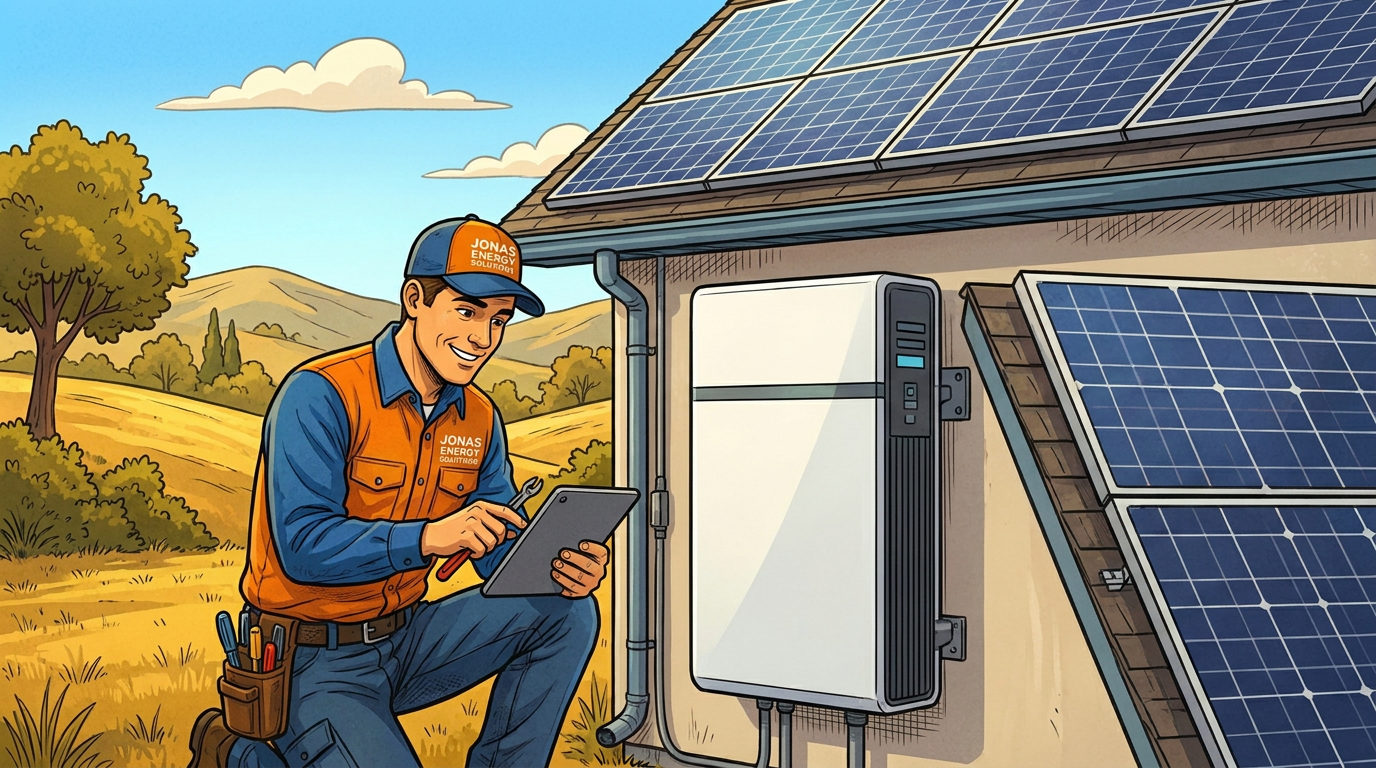
Adding a battery to a solar system changes the picture significantly. A properly configured solar-plus-battery setup can isolate a portion of your home from the grid during an outage, keep selected circuits running, and use the panels to recharge the battery during daylight hours. That means you're not just drawing down stored energy and waiting for it to run out. On a sunny day, the cycle can continue for as long as your loads stay within what the system can support. Learn more about how solar and battery storage work together for homeowners comparing options.
The critical word there is selected circuits. Battery backup is not automatically whole-home backup. What the system can run depends on battery capacity, how much solar is recharging it, and what appliances are drawing power at any given moment. An installer looks at all three of those factors together when sizing a system.
What a Battery Can Usually Run
Lighter, continuous loads are where battery backup shines. These are the things that matter most when an outage stretches past a few hours.
- Lights and ceiling fans
- Refrigerator and freezer
- Internet router and modem
- Phone and device charging
- Medical devices such as CPAP machines or nebulizers
- A gas furnace's controls and blower (the igniter and fan, not the burner itself)
What a Battery May Not Run
Heavy loads draw a lot of power at once, which shortens runtime quickly or may exceed what a battery can supply at all. These are not impossible to support, but they require careful sizing conversations with an installer. Common examples include central air conditioning or electric heat, well pumps with their high startup draw, electric ranges and ovens, electric water heaters, and EV chargers.
None of this is meant to discourage battery storage. The point is to set accurate expectations so you buy the right system for your actual needs, not an undersized one that leaves the well pump offline when you need it most.

A standby generator can fill the gap when solar and battery storage alone aren't enough to cover extended outages or heavy loads.
Where a Generator Fits Into the Picture
A battery handles the first hours of an outage quietly and automatically. A generator handles what comes after, or what the battery simply cannot support. Both have a role, and the right answer for a given home depends on how long outages typically last, what loads must stay on, and how much noise and fuel management the homeowner is willing to take on.
When a Generator Makes Sense
Standby generators run on natural gas or propane and start automatically when the grid drops. They can power heavier loads that a battery alone may not sustain, and they keep running as long as fuel is available. For homes in areas where outages stretch to multiple days, such as rural Lake County roads during a wildfire-related PSPS event or Pollock Pines after a heavy winter storm, a generator provides a level of continuity that battery storage alone may not. The tradeoffs are real, though. Generators make noise, require fuel supply and periodic maintenance, and do not silently recharge the way a battery does. See Jonas Energy Solutions' backup power and generators page for more on standby options.
Using Solar, Battery, and Generator Together
These three systems are not competing options. Many homeowners end up with some combination: solar panels that reduce grid dependence day to day, a battery that covers the first stretch of an outage and recharges from the panels, and a generator that kicks in for extended events or heavy-load needs. How those layers interact depends on the equipment and how the electrical system is configured. For a side-by-side look at the tradeoffs specific to this region, the post Home Battery vs Generator in Lake County goes deeper on that comparison.
Why a Critical-Loads List Matters Before You Buy Anything
A critical-loads list names the appliances and equipment you must keep running during an outage, such as a refrigerator, well pump, heating system, or medical equipment. It matters because battery and generator sizing depends on those loads. This single document shapes every sizing conversation with an installer. Get it wrong and you're either overpaying for capacity you don't need or discovering mid-storm that the system can't carry your well pump.
Building one doesn't require any technical knowledge. Walk through your home and think about what would create a real problem if it went offline for 12 hours, then 48 hours. The answers tend to sort themselves quickly.
- List every appliance or system you'd need to keep running during an outage, starting with the most essential.
- Flag which items have high startup draws or run continuously, such as a well pump, heating system, or medical device.
- Group your list into rough priority tiers: must-have, important, and nice-to-have.
- Note which items run on electricity versus gas, since gas appliances often still need electrical controls.
- Share the completed list with your installer before any sizing conversation begins.
The Generator blog category on the Jonas Energy Solutions blog includes a Backup Power Critical-Loads Checklist specific to El Dorado County homeowners that walks through Tier 1, Tier 2, and Tier 3 load thinking in more detail.

With the right backup setup, your home can stay powered and comfortable while the grid is down, even after dark.
Your Options If You Have Solar but No Battery
Having solar without storage is still valuable for your utility bill. During an outage, though, you're in the same position as a home without solar at all. The panels are there, the sun may be shining, and nothing is powering your home. That's a frustrating realization to have mid-outage.
Adding a Battery or Generator Later
Battery storage can often be added to an existing solar system, though compatibility depends on the inverter and electrical setup already in place. A site assessment is the only way to know for certain what's possible with your current equipment. A generator can also be added independently of the solar system, though integrating all three cleanly requires careful electrical planning. These are exactly the kinds of conversations worth having before PSPS season is underway, not during it.
Planning Around PSPS Events and Winter Storms
For homeowners in Lake County and El Dorado County, outage risk is not theoretical. PSPS events during fire weather and winter storms that knock out lines in foothill communities are recurring realities. The time to evaluate options is before the next event. If you already have a battery and want to make sure it's configured well for winter, the post Is Your Solar Battery Ready for Winter covers reserve settings, overnight draw, and cold-weather performance in detail. That post is specifically for owners who already have storage. This one is for everyone else.
Questions to Ask Before You Choose a Backup Setup
Before committing to any backup solution, a few practical questions help narrow the field. What does your home actually need to keep running, and for how long? Think about your critical-loads list here. How long do outages in your area typically last? A six-hour PSPS event calls for a different solution than a three-day storm outage in Pollock Pines.
Does your roof and existing electrical panel support what you're considering? Older homes in Lake County and El Dorado County often have panels that need an upgrade before storage or a generator transfer switch can be added. Not a dealbreaker, but it affects the scope and planning of the project.
Finally, is the contractor you're talking to licensed to handle all of it? Solar, battery storage, generator installation, and electrical upgrades each carry their own licensing requirements. Working with a single contractor who holds the relevant licenses, including C46 Solar, C10 Electrical, and C20 HVAC, means the system gets designed and permitted as a whole rather than assembled piecemeal by separate trades who may not coordinate well. That matters for both safety and long-term performance.
Will my solar panels charge my battery during a power outage?
In most properly configured solar-plus-battery systems, yes. When the system is set up to operate in island mode during an outage, the panels can continue to recharge the battery during daylight hours. The key word is configured. Not every solar installation is set up this way by default, so it's worth confirming with your installer how your system behaves during a grid outage.
Can I run my well pump on battery backup?
Possibly, but well pumps are one of the trickier loads because they have a high startup draw when the motor kicks on. Whether a battery can support a well pump depends on the pump's specifications and the battery system's output capacity. This is exactly the kind of load to flag on your critical-loads list before sizing a backup system.
What happens to my solar system during a PSPS event?
During a PSPS event, the utility grid is intentionally de-energized. A standard grid-tied solar system will shut down automatically, just as it would during any other outage. Only systems with battery storage or another backup-capable configuration can continue to power your home during a PSPS event.
Do I need a generator if I already have solar and a battery?
Not necessarily, but it depends on your loads and how long outages in your area tend to last. For shorter outages with moderate loads, solar and battery may be enough. For extended outages or homes with heavy loads like electric heat or a well pump, a generator provides a reliable backup layer. A licensed installer can help you decide based on your specific situation.